
Addressing the Issue of Poor Surface Preparation in Terrazzo Floor Grinding
Poor surface preparation is a primary reason terrazzo floor grinding projects fall short of expected results. When the initial surface is not properly opened, residual laitance, curing compounds, or uneven density within the matrix can disrupt the grinding process. These underlying conditions often remain unnoticed until later stages, where they show up as uneven aggregate exposure, patchy finishes, or polishing defects that are costly to correct.
Mistaking early grinding for surface refining is one of the most frequent errors. Inconsistencies are not eliminated by polishing over a poorly prepared terrazzo surface; rather, they remain trapped. The floor responds unevenly to grinding pressure if weak layers are not adequately removed, causing some sections to cut more quickly while others resist abrasion. Visible surface imperfections and problems with flatness are directly caused by this imbalance.
Deliberate material removal is the first step in solving this issue. In order to evenly open the terrazzo surface and eliminate unstable layers that obstruct controlled grinding, metal bond diamond grinding tools, such as 2 inch diamond grinding plugs and polar magnetic quick change tools, are utilized during the preparation phase. Instead of pursuing flaws later, this procedure creates a uniform cutting plane that enables the grinder to work uniformly over the cement matrix and exposed aggregates.
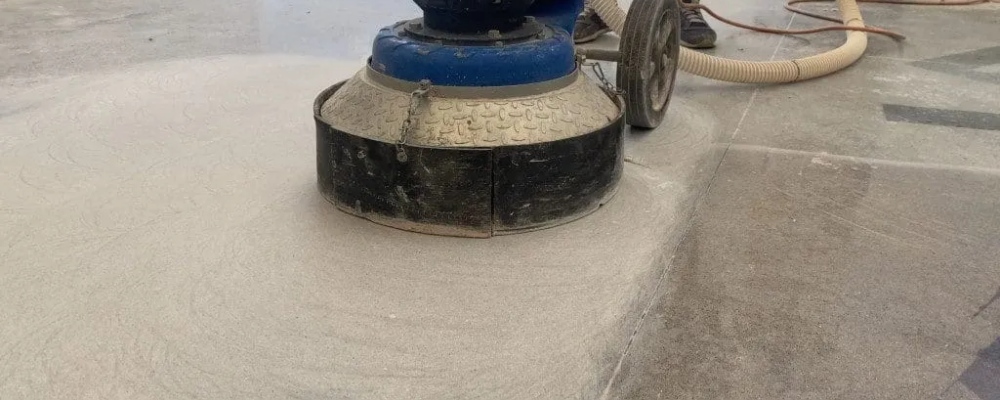
Tool compatibility also plays a critical role in preventing preparation-related failures. Poorly matched grinding segments can exaggerate density differences in terrazzo, resulting in overcutting in softer zones and insufficient cutting in harder areas. Properly selected diamond tooling maintains balanced contact with the surface, reducing chatter marks and edge damage while preserving overall floor flatness.
Ignoring crucial grit transitions is another common cause of preparation failure. The purpose of each grinding process is to improve the surface produced by the preceding pass. Before polishing, adding transitional polishing pads at the right time helps stabilize the surface texture and smooth out any remaining scratches. In terrazzo, where uneven refining between matrix and aggregate can quickly jeopardize the final appearance, this stage is particularly crucial.
Early resolution of surface preparation problems makes the entire grinding and polishing process more predictable. A well-prepared terrazzo floor ensures long-term resilience under traffic, responds consistently to polishing, and produces a uniform gloss. Whether terrazzo floor grinding produces expert, long-lasting results depends on proper preparation, which is not a preliminary activity.
- Newsletter
- Join our community
- Company Info
- Feedback Customer Reviews About Us Contact Us Blog Help Center
- User Center
- Forget Password My Orders Tracking Order My Account Register
- Payment & Shipping
- Customs & Taxes Locations We Ship To Shipping Methods Payment Methods
- Company Policies
- Return Policy Privacy Policy Terms of Use Infringement Policy