
Common Mistakes When Removing Floor Coatings
Removing floor coatings is an essential part of preparing concrete surfaces for refinishing, yet it often presents challenges for contractors. Errors during this process can lead to wasted time, increased expenses, or even long-term floor damage. By recognizing common mistakes, professionals can adopt strategies for cleaner and more efficient coating removal.
Failing to Properly Assess the Surface
A major error is beginning removal without thoroughly evaluating the floor’s condition. Factors such as coating thickness, adhesion strength, and the state of the underlying concrete influence the choice of tools and techniques. Ignoring these aspects often results in using inappropriate equipment, which can damage the substrate or reduce removal efficiency. Conducting a detailed inspection at the start helps determine the optimal approach.
Using Inappropriate Tools
Different coatings require specific equipment. Thick epoxy, paint, and adhesives each respond uniquely to grinding and removal methods. For example, concrete floor PCD grinding tools are highly effective for removing tough coatings like epoxy and adhesives, whereas concrete floor HTC diamond tools are better suited for surface refinement after initial removal. Selecting tools that are either too aggressive or insufficiently so can slow progress and cause excessive equipment wear. Matching the tooling to the coating type ensures faster removal and protects the floor.
Neglecting Proper Tool Progression
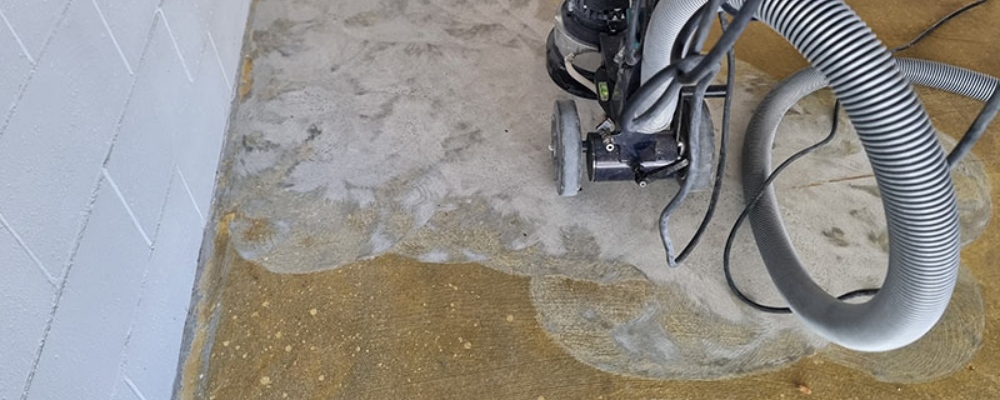
Another common problem is rushing the removal process by skipping the correct sequence of tools. Some contractors move directly to finishing tools after initial removal, which can leave scratches, gouges, or an uneven surface. Following a logical progression guarantees complete coating removal while preparing the floor for polishing or recoating. This approach saves time overall and results in a professional-quality finish.
Ignoring Dust and Waste Management
Even when removal is done correctly, failing to control dust can compromise the outcome. Dust and debris not only create safety hazards but can also become embedded in the surface, complicating subsequent polishing or coating. Using vacuums effectively and cleaning thoroughly at each stage prevents these problems and maintains a safe work environment.
Conclusion
Avoiding these pitfalls is crucial for efficient and professional coating removal. Careful surface evaluation, selecting the right coating removal tools, following proper tool progression, and consistent dust management all contribute to smoother operations and superior results. By implementing these practices, contractors can minimize downtime, protect their equipment, and deliver floors that are fully prepared for the next treatment phase.
- Newsletter
- Join our community
- Company Info
- Feedback Customer Reviews About Us Contact Us Blog Help Center
- User Center
- Forget Password My Orders Tracking Order My Account Register
- Payment & Shipping
- Customs & Taxes Locations We Ship To Shipping Methods Payment Methods
- Company Policies
- Return Policy Privacy Policy Terms of Use Infringement Policy