
Floor Prep for Decorative Concrete Applications
Decorative concrete work always starts with proper floor preparation. No matter how good the final design is—staining, polishing, or coating—the result depends on the condition of the surface underneath. If the floor is not properly prepared, issues like poor adhesion, uneven color, or visible defects tend to show up later. Taking the time to get the base right is what makes the decorative finish look clean and consistent.
The first step is usually removing anything that shouldn’t be there. Old coatings, adhesives, or sealers can interfere with new materials and need to be taken off completely. In most cases, this is done mechanically rather than chemically to keep the process controlled. Tools such as PCD coating removal tools for concrete floors are often used when dealing with thicker or more stubborn layers, helping to strip the surface efficiently without smearing the material.
Once the surface is clean, the focus shifts to leveling and creating a uniform profile. Decorative applications require a consistent base, especially for stains or dyes that can highlight even minor imperfections. Using metal bond diamond grinding tools for concrete surface preparation allows contractors to smooth out uneven areas and establish an even scratch pattern. This step is not about making the floor perfect, but about making it predictable so the next stages behave as expected.
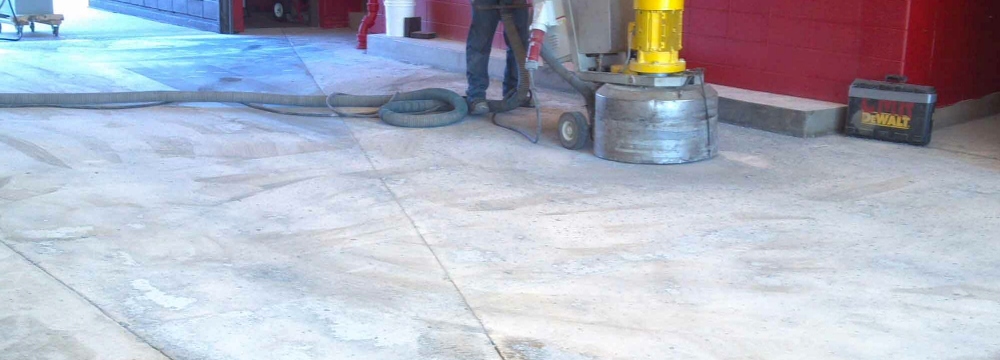
After grinding, the surface may still need refinement depending on the type of finish being applied. For example, when a polished or semi-polished look is part of the design, transitioning becomes important. At this stage, hybrid diamond polishing pads for concrete transition can help reduce visible scratches and prepare the surface for finer finishing steps. Even when polishing is not the final goal, a well-refined surface often improves the overall appearance of decorative treatments.
Good floor prep is what allows decorative concrete to perform both visually and functionally. It ensures proper bonding, reduces the risk of failure, and creates a surface that responds well to finishing materials. By following a clear preparation process and using the right tools at each stage, contractors can achieve results that not only look better but also last longer.
- Newsletter
- Join our community
- Company Info
- Feedback Customer Reviews About Us Contact Us Blog Help Center
- User Center
- Forget Password My Orders Tracking Order My Account Register
- Payment & Shipping
- Customs & Taxes Locations We Ship To Shipping Methods Payment Methods
- Company Policies
- Return Policy Privacy Policy Terms of Use Infringement Policy