
Hard Concrete vs Soft Concrete: Grinding Differences
When it comes to concrete grinding, a one-size-fits-all approach is not effective. It's crucial to understand the distinctions between hard and soft concrete to select the appropriate methods and tools for each task. The hardness of the surface significantly influences grinding efficiency, tool choice, and the final outcome. Overlooking these variations can lead to rapid tool wear, slow progress, or an unsatisfactory surface finish.
Hard concrete is dense and tightly bonded, commonly found in newer constructions or high-strength settings like industrial floors. Grinding this type of concrete usually requires tools with a softer bond, which helps expose fresh diamond particles more easily. If not, the diamonds can become glazed, diminishing their grinding effectiveness. For instance, using a Polar Magnetic diamond tooling with the right bond softness facilitates effective material removal without excessive effort or tool glazing.
On the other hand, soft concrete has a higher sand content and weaker aggregate bonds, leading to quicker tool wear and the production of excess slurry or dust during grinding. To manage this, contractors typically opt for tools with a harder bond that retains the diamonds longer and reduces rapid wear. A diamond grinding cup wheel, for example, provides both durability and control, ensuring consistent results even on softer surfaces.
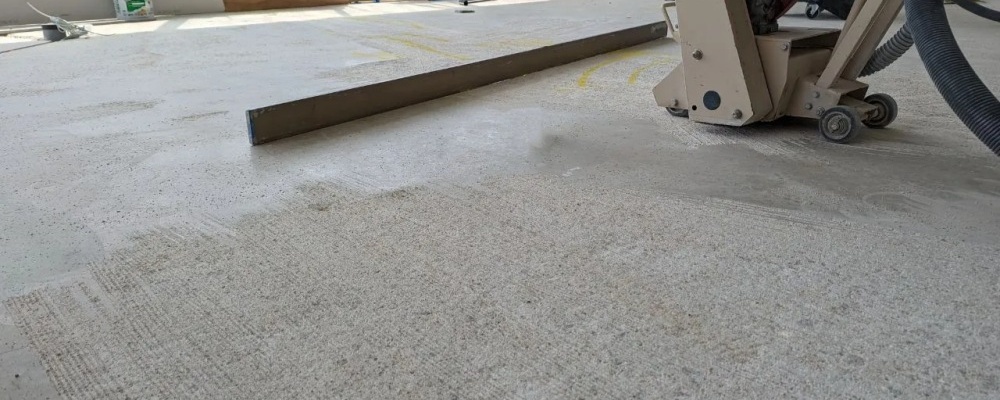
Choosing the right tool involves more than just bond hardness; factors like grit size, segment design, and machine speed also play a role in adapting to the surface. For example, starting with a concrete floor PCD tool may be ideal for surfaces with coatings, but switching to diamond segments that match the concrete's hardness is essential for properly preparing the underlying material without overcutting or damaging it.
Additionally, dust control, machine weight, and grinding direction vary between hard and soft concrete. Grinding harder concrete may necessitate slower passes and more frequent tool changes, while soft concrete might require lighter machines and less downforce to prevent digging into the surface. Aligning techniques with the material type ensures not only speed but also quality.
Understanding the differences between hard and soft concrete and adjusting your tools and methods accordingly is vital for efficient and professional grinding. This approach protects your equipment, enhances productivity, and ultimately results in a superior finish that is ready for polishing or coating.
- Newsletter
- Join our community
- Company Info
- Feedback Customer Reviews About Us Contact Us Blog Help Center
- User Center
- Forget Password My Orders Tracking Order My Account Register
- Payment & Shipping
- Customs & Taxes Locations We Ship To Shipping Methods Payment Methods
- Company Policies
- Return Policy Privacy Policy Terms of Use Infringement Policy