
How Environmental Conditions Affect Polishing
Environmental conditions are crucial to the success of any concrete or stone polishing job. Elements such as temperature, humidity, and dust levels can impact both the efficiency of the polishing process and the final look of the floor. Contractors working in cities like New York, Los Angeles, or London often find that the same polishing method can yield varying results depending on these conditions, making it important to be aware of and prepare for them to achieve high-quality finishes.
Temperature is one of the most significant influences. Very hot or cold weather can affect how the floor surface reacts to grinding and polishing. In colder settings, concrete tends to become denser and harder, which can cause resin diamond polishing tools to wear out faster and reduce their cutting effectiveness. On the other hand, hot temperatures can soften certain coatings or residues, leading to smearing rather than clean removal. Adjusting machine speed and choosing the appropriate pads based on temperature helps ensure consistent polishing outcomes.
Humidity and moisture levels also play a role in polishing. High humidity or wet conditions can leave moisture films on the floor, impacting adhesion and the interaction between diamond particles and the surface. Floors with leftover water or high ambient humidity may need flexible polishing pads that can accommodate minor surface irregularities while still delivering a smooth finish. Properly evaluating moisture conditions before starting helps maintain better control over the process and avoids uneven scratch marks.
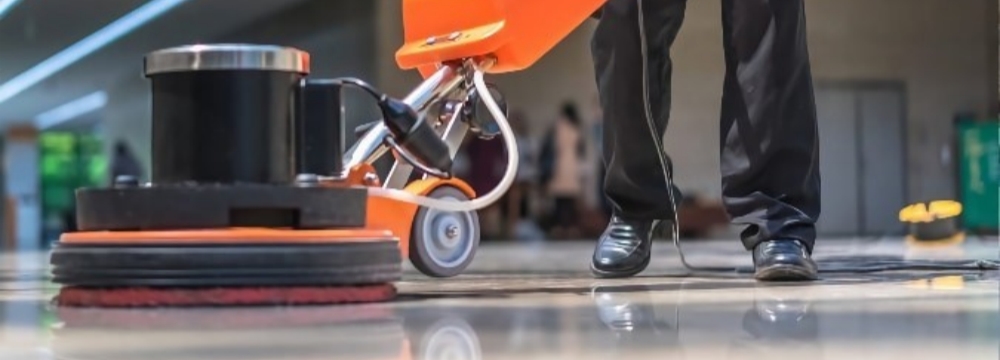
Dust and debris in the work area can diminish the effectiveness of polishing pads and cause surface flaws. Contractors often rely on dry polishing pad when conditions allow, or adjust for wet polishing when dust suppression is necessary. Managing dust effectively not only enhances the quality of the finish but also extends the lifespan of diamond polishing pads, lowering overall expenses.
In summary, environmental conditions greatly influence the polishing process, affecting pad performance and the floor’s appearance. Recognizing these factors and selecting the right diamond polishing pads for each situation ensures consistent results across various locations and conditions. Careful planning, preparation, and tool choice enable contractors to deliver a professional, long-lasting finish on any concrete or stone floor.
- Newsletter
- Join our community
- Company Info
- Feedback Customer Reviews About Us Contact Us Blog Help Center
- User Center
- Forget Password My Orders Tracking Order My Account Register
- Payment & Shipping
- Customs & Taxes Locations We Ship To Shipping Methods Payment Methods
- Company Policies
- Return Policy Privacy Policy Terms of Use Infringement Policy