
How to Avoid Tool Loading During Concrete Grinding
Tool loading is a common problem in concrete grinding, particularly when working on soft concrete, adhesive residues, or surfaces with remaining coatings. It occurs when concrete fines, sticky materials, or grinding debris accumulate on the working surface of diamond segments, preventing the exposed diamonds from cutting effectively. As the buildup increases, the tool may begin to slide across the floor rather than grind it properly. Contractors may notice slower material removal, increased heat, or inconsistent grinding results. Understanding what causes tool loading is the first step toward preventing it.
One of the most important factors is choosing the correct bond hardness. Metal bond diamond tools rely on controlled wear of the metal matrix to expose fresh diamond particles as the existing ones wear down. When grinding soft or highly abrasive concrete, a harder bond is generally a better starting point because it helps prevent the matrix from wearing away too quickly. On harder concrete, a softer bond is usually more suitable because it allows worn diamonds to be released and new cutting edges to become exposed. If the bond is too hard for the material being ground, the tool may struggle to renew its cutting surface, increasing the likelihood of loading or glazing. Actual selection should also account for aggregate, surface condition, and test-grinding results.
The material on the floor matters just as much as the concrete itself. Dust and fine particles can accumulate during grinding, while adhesives, epoxy, paint, and other coatings may stick to conventional diamond segments and cause severe loading. When dealing with thick or stubborn coatings, using a purpose-designed PCD removal tool is often more effective than continuing with standard metal bond segments. After the coating has been removed, the exposed concrete can be inspected and ground with an appropriate diamond tool. Matching the tooling to the actual surface condition is essential, whether the job involves Scanmaskin concrete grinding tools, SASE metal diamond tooling, or a compatible metal grinding cup wheel for localized work.
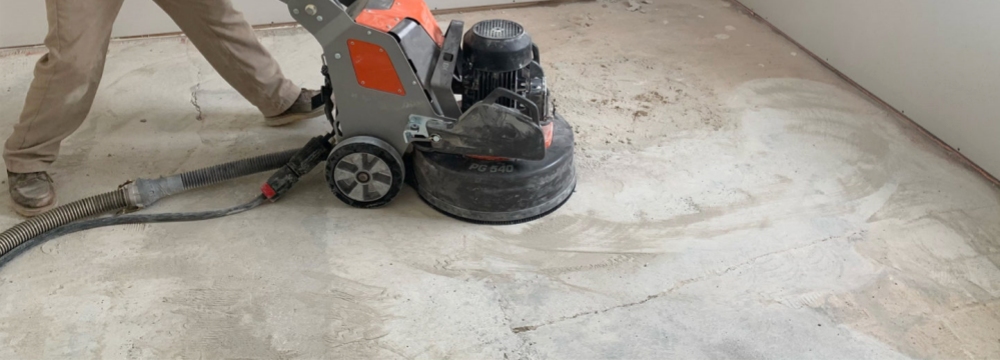
Grinding conditions can also contribute to tool loading. Excessive downward pressure does not necessarily improve cutting performance and may cause unnecessary heat or uneven wear. Instead, allow the diamond segments to do the cutting and maintain a consistent machine movement. Check whether the selected grit is appropriate for the material removal required, and avoid spending too long in one spot. Dust extraction is particularly important during dry grinding because accumulated concrete dust can interfere with the working area. For wet grinding, make sure the water supply is suitable and that slurry is removed regularly rather than allowed to build up around the tool.
When loading occurs, continuing to grind without addressing the cause usually wastes time and wears the tooling unnecessarily. Stop the machine and inspect the segments for accumulated material, excessive wear, or signs of glazing. If sticky residue is present, clean the tool using a method recommended by its manufacturer. If the segments remain loaded because the bond is too hard for the concrete, switching to a more suitable bond may be necessary. If a tool has become glazed, dressing it on a suitable abrasive surface may help wear away part of the bond matrix and expose fresh diamond particles. However, this should only be done using a method approved by the tool manufacturer. Cleaning alone will not correct an unsuitable bond selection.
Preventing tool loading starts with understanding the material being ground and selecting diamond tooling that can handle those conditions. The right bond hardness and segment design, together with proper dust extraction or slurry removal, help maintain effective cutting performance. Contractors should also monitor how the diamond segments wear throughout the job instead of waiting until grinding efficiency noticeably declines. Recognizing early signs of loading and making adjustments when necessary can reduce unnecessary downtime, avoid premature tool replacement, and keep the grinding process running more consistently.
- Newsletter
- Join our community
- Company Info
- Feedback Customer Reviews About Us Contact Us Blog Help Center
- User Center
- Forget Password My Orders Tracking Order My Account Register
- Payment & Shipping
- Customs & Taxes Locations We Ship To Shipping Methods Payment Methods
- Company Policies
- Return Policy Privacy Policy Terms of Use Infringement Policy