
How to Fix Poor Surface Finish in Concrete Grinding
Achieving a good surface finish in concrete grinding can be challenging, but it is typically manageable with the correct methods and appropriate tools. Problems like uneven scratch marks, dull areas, or inconsistent shine often stem from using unsuitable diamond tools, incorrect machine settings, or skipping essential grinding steps. For example, Husqvarna diamond grinding tools offer consistent material removal, helping contractors create a more even finish on concrete floors.
Determine the Cause
The initial step in fixing a poor finish is to identify the underlying cause. Factors such as the hardness of the concrete, surface contaminants, or worn grinding tools can impact the outcome. Sometimes, choosing the wrong bond or omitting certain grit levels results in scratches or uneven textures. Using specialized equipment like PCD coating removal tools for very hard spots ensures coatings and high-strength concrete are leveled effectively without damaging the surface further.
Modify Machine Settings
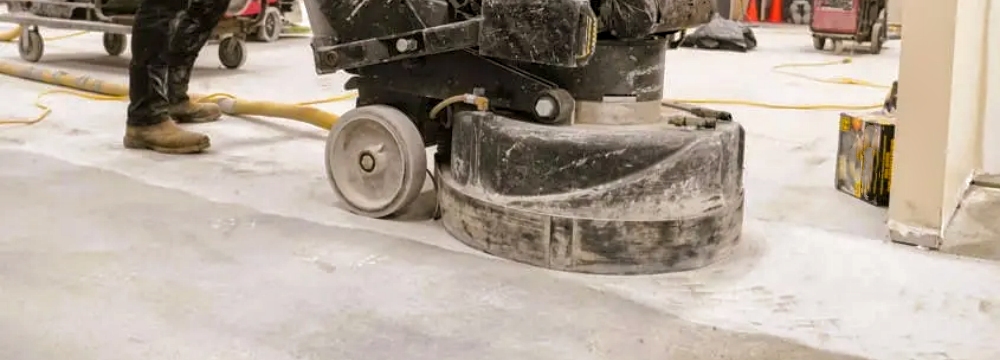
Key elements like machine speed, applied pressure, and overlap influence the smoothness of the finish. Operating the machine too fast can leave deep scratches, while moving too slowly might cause glazing or uneven material removal. Maintaining a consistent, controlled pace allows tools such as ceramic grinding tools to work effectively, producing a uniform surface ready for the next polishing phase.
Adhere to Proper Grit Progression
One of the most frequent causes of poor surface finish is skipping grit levels or rushing through the grinding stages. Progressing gradually from coarse to fine grits ensures that scratches from earlier steps are removed, resulting in a smooth, polished final surface. Patience and following the correct sequence are essential for achieving professional-quality results.
Tool Maintenance and Inspection
Regularly checking diamond tools during grinding helps detect wear before it compromises the finish. Worn tools should be replaced or refurbished to maintain cutting performance. Additionally, managing dust and debris on the job site prevents particles from scratching or marbling the concrete, further enhancing the final appearance.
In summary, correcting poor surface finish in concrete grinding demands careful attention, suitable equipment, and proper technique. Utilizing high-quality diamond tools combined with correct machine settings and grit progression, ensures a smooth, professional finish while minimizing rework and boosting productivity.
- Newsletter
- Join our community
- Company Info
- Feedback Customer Reviews About Us Contact Us Blog Help Center
- User Center
- Forget Password My Orders Tracking Order My Account Register
- Payment & Shipping
- Customs & Taxes Locations We Ship To Shipping Methods Payment Methods
- Company Policies
- Return Policy Privacy Policy Terms of Use Infringement Policy