
How to Grind Concrete Floors in Warehouses?
Grinding concrete floors in warehouses calls for a careful, disciplined process. These floors are typically designed to handle heavy loads, nonstop movement, and demanding working conditions. In most cases, grinding is used to remove surface flaws, improve flatness, and prepare the concrete for the next step—whether that means polishing, coating, or sealing. To get reliable results, a warehouse floor grinding project has to start with a clear understanding of the slab’s condition, the right choice of equipment, and a controlled method of grinding.
Inspect the Concrete Surface Before Grinding
Before grinding begins, the contractor should take time to review the condition of the warehouse floor. This means checking for uneven areas, cracks, any existing coatings, surface contamination, and the overall hardness of the concrete. Those factors influence the type of grinding approach needed and help avoid needless grinding passes and premature tool wear. A proper inspection also lets operators plan the correct concrete grinding diamond tooling and grinding sequence for that specific floor condition.
Select the Right Grinding Method and Tools
Warehouse floors often require efficient material removal because of their large surface area and demanding usage conditions. The grinding method depends on whether the goal is surface preparation, coating removal, leveling, or polishing. Coarser metal bond grinding tools are commonly used during the initial grinding stages to remove imperfections and open the concrete surface, while finer grits are used later to refine the scratch pattern and improve surface consistency. Choosing the right tooling, such as suitable HTC metal grinding tools, based on the concrete hardness and surface condition is essential for improving efficiency and achieving predictable results.
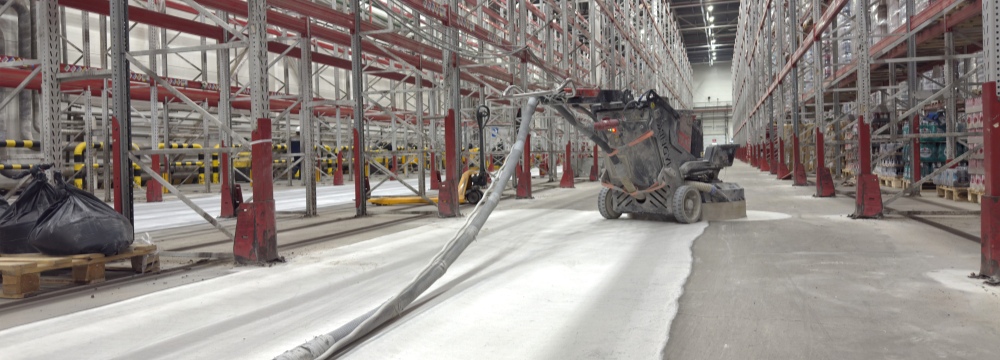
Control Dust, Pressure, and Grinding Speed
Proper setup and operation are just as important as the grinding tools themselves. If the pressure is too high, the machine speed is incorrect, or dust is not managed effectively, the floor can end up with uneven grinding marks, reduced tool efficiency, and an inconsistent final surface. Many professional contractors use vacuum systems and controlled grinding techniques to limit airborne dust and maintain better visibility during the work. Checking the grinding pattern regularly also makes it easier to spot problems early and adjust before moving on to the next stage.
Prepare the Floor for the Next Application
After grinding, the warehouse floor should have a uniform profile that supports the next application, whether that is polishing, coating installation, or sealing. Cleaning between grinding stages is important to remove dust and residue that could affect the finished outcome. When the grinding process is done correctly, it provides a stronger base, improves long-term floor performance, and helps reduce the likelihood of future maintenance issues in high-traffic warehouse environments.
Grinding concrete floors in warehouses is not simply about removing material quickly. The goal is to create the correct surface condition for lasting performance. By assessing the floor accurately, using suitable diamond tooling, and maintaining consistent operating practices, contractors can achieve efficient results and prepare warehouse floors for the demanding needs of industrial use.
- Newsletter
- Join our community
- Company Info
- Feedback Customer Reviews About Us Contact Us Blog Help Center
- User Center
- Forget Password My Orders Tracking Order My Account Register
- Payment & Shipping
- Customs & Taxes Locations We Ship To Shipping Methods Payment Methods
- Company Policies
- Return Policy Privacy Policy Terms of Use Infringement Policy