
How to Identify a Worn Tool Segment
Maintaining grinding performance and safeguarding your equipment and the floor surface depend on your ability to identify a worn tool segment. Tool segments eventually lose their structure when they come into contact with abrasive materials and friction, whether they are working on stone, terrazzo, or concrete. Understanding wear indicators helps guarantee reliable performance and avoids expensive errors while polishing or surface preparation.
A discernible decrease in cutting speed is one of the first signs of wear. The tool slides instead of cutting when a section gets glazed or smooth because it can no longer open correctly against the floor. This frequently occurs when the diamonds are no longer exposed or the bond is depleted. At this stage, switching to a fresh diamond grinding tool, ensures the job continues efficiently.
Uneven wear across the segment surface is another warning flag. A broken or poorly bonded segment may acquire chips or slanted edges rather of wearing down uniformly. This can happen when one side of the tool fails too soon due to insufficient pressure distribution or when the tool is used on a very aggressive surface. In addition to decreasing performance, uneven wear can produce unpleasant stains on the floor. After each session, inspecting the tooling aids in preventing additional damage.
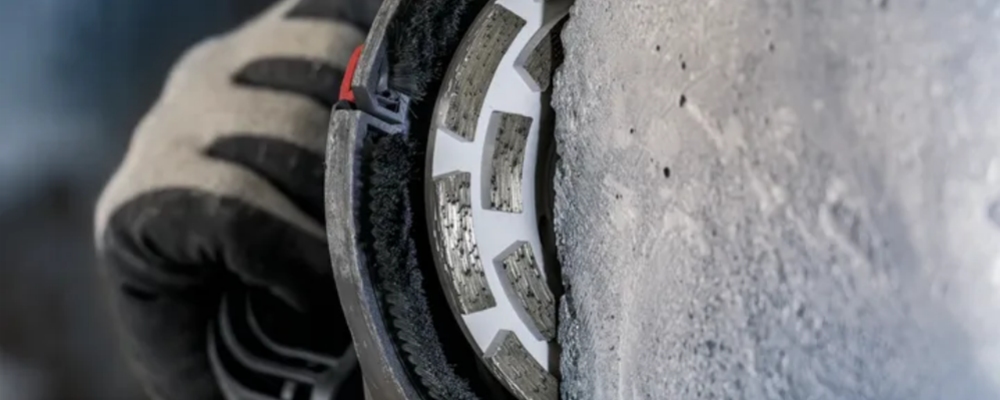
Another important danger flag is vibration. The grinder may shake more than normal when a piece is worn or partially disconnected, making machine control more difficult. Consistent vibration can also indicate that the segment height has dropped too low to maintain proper contact with the surface. In situations like these, replacing the tool with a suitable diamond segment tool, such as a Lavina diamond tooling or a SASE grinding head, helps restore stability and ensures smoother grinding.
Visual examination is equally crucial. While a dull, metal-smooth surface indicates the diamonds are completely worn, a healthy portion will still exhibit noticeable diamond exposure. It's time for a replacement if the functional layer has almost completely vanished or the section has gotten noticeably thinner. Continuing to utilize the section at this stage could harm the mounting plate or result in uneven floor grinding.
Finally, consider the tool’s overall performance in relation to material hardness. If your tooling struggles on surfaces it previously handled easily, the diamonds may simply be spent. Worn segments often leave dustier surfaces and require excessive pressure to function. Switching to a new, more effective diamond tooling segment restores cutting power and prevents unnecessary strain on the grinder. By consistently monitoring segment condition and understanding these common signs, contractors can maintain reliable results and extend the life of their equipment.
- Newsletter
- Join our community
- Company Info
- Feedback Customer Reviews About Us Contact Us Blog Help Center
- User Center
- Forget Password My Orders Tracking Order My Account Register
- Payment & Shipping
- Customs & Taxes Locations We Ship To Shipping Methods Payment Methods
- Company Policies
- Return Policy Privacy Policy Terms of Use Infringement Policy