
How to Optimize Your Diamond Tool Selection for Specific Tasks
Choosing the appropriate diamond tool for a particular task is crucial for achieving excellent results, whether you’re grinding concrete, polishing stone, or stripping coatings. With a vast array of diamond tools available, selecting the right one can greatly influence both efficiency and the quality of the surface finish. The key is to align the tool’s design, bond, grit, and segment configuration with the specific job requirements.
The hardness of the material being worked on is a vital factor in tool selection. For instance, hard concrete necessitates a diamond tool with a softer bond to ensure effective exposure of the diamonds, while softer concrete requires a harder bond to prolong the tool’s lifespan. When polishing natural stones like granite or marble, the choice between Velcro backing resin polishing tool and metal grinding tools can affect the final gloss and clarity. Using a bond that is either to hard or too soft can result in glazing or rapid wear, leading to wasted time and increased costs.
Grit sizes is another important consideration. Coarse grits, such as 16 or 30, are suitable for aggressive grinding and surface preparation, effectively removing coatings and leveling uneven floors. Finer grits, like 100 or 200, are more appropriate for smoothing surfaces and preparing them for polishing. To achieve a mirror-like finish, dry polishing floor pads with progressively finer grits, often reaching 3000 or higher, are required. It’s essential to advance through the grits systematically to avoid swirl marks and ensure an even polish.
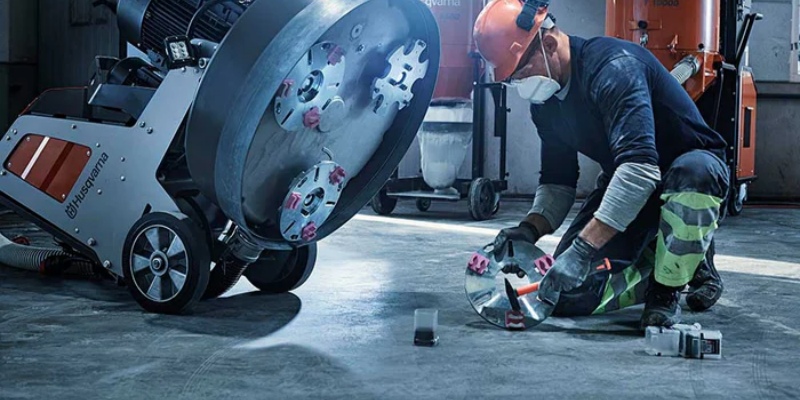
The shape and segment design of the diamond tool also influence its performance. Arrow segments are particularly effective for removing coatings due to their sharp leading edges, while round or trapezoid segments provide smoother grinding for surface refinement. Tools with various segment configurations can balance aggressiveness with durability, which is especially beneficial for extended grinding tasks. For high-traffic commercial floors, premium segments with a higher concentration of diamond s offer longer life and improved consistency.
Lastly, consider the compatibility of the machine and tool mounting system. Selecting tools specifically designed for your grinder ensures secure installation and optimal performance. Fast-change systems can save time on the job site, especially when switching between different grit levels or tool types. Matching the right tool to both the surface material and the machine type guarantees the best possible results with minimal downtime.
Optimizing your diamond tool selection involves more than just having the right tools; it requires an understanding of how the surface, tool design, and performance objectives interact. Making an informed choice enhances productivity, lowers labor costs, and extends the lifespan of your equipment, resulting in a significant improvement in both quality and profitability.
- Newsletter
- Join our community
- Company Info
- Feedback Customer Reviews About Us Contact Us Blog Help Center
- User Center
- Forget Password My Orders Tracking Order My Account Register
- Payment & Shipping
- Customs & Taxes Locations We Ship To Shipping Methods Payment Methods
- Company Policies
- Return Policy Privacy Policy Terms of Use Infringement Policy