
How to Reduce Unwanted Scratches During Concrete Grinding
Unwanted scratches are a common issue during concrete grinding and can affect the final appearance of polished floors if they are not properly controlled. While some scratch marks are a normal part of the grinding process, deep, uneven, or inconsistent scratches often indicate problems with tooling selection, grinding sequence, or machine operation. Reducing scratches does not mean avoiding them completely, but rather creating a controlled scratch pattern that can be refined efficiently in the following stages.
Choose the Right Grinding Sequence and Tooling
Following the proper grinding sequence is essential for reducing unwanted scratches during concrete grinding. Starting with an overly aggressive tool or moving through grit levels too quickly can leave deeper marks that are difficult to refine later. Based on the floor condition, concrete hardness, and desired result, contractors should select suitable diamond grinding tools that match the application, such as Husqvarna diamond grinding tooling used in professional grinding systems. With the right tooling and process control, each grinding stage can gradually refine the previous scratch pattern and improve surface consistency.
Maintain Proper Machine Operation
Even with the correct tooling, grinding technique has a major impact on scratch consistency. Excessive pressure, uneven machine movement, or inconsistent grinding speed can create visible swirl marks and irregular scratch patterns. Operators should maintain steady movement, allow the diamonds to grind effectively, and regularly check the surface condition during the process. Using well-matched metal bond diamond grinding discs can also help maintain stable grinding performance and improve control throughout larger projects.
Keep the Surface Clean Between Grinding Stages
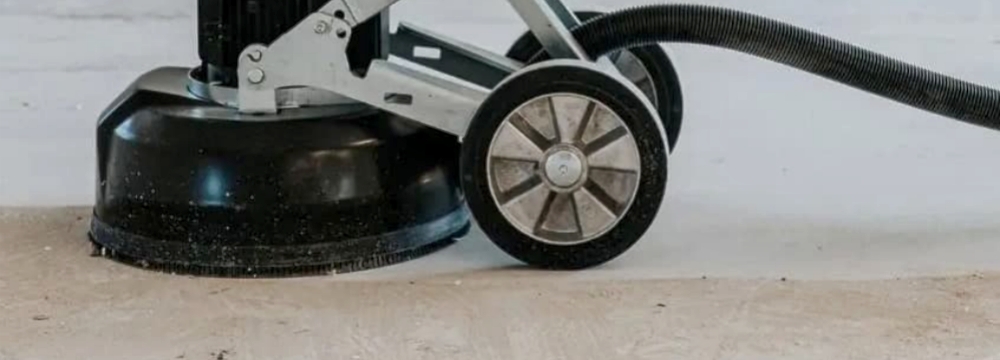
Dust and grinding residue can also contribute to poor scratch refinement. If loose particles remain on the floor, they may interfere with the grinding action and create inconsistent results. Cleaning the surface thoroughly between grit changes helps ensure that the next tool is working directly on the concrete rather than grinding through leftover debris. For different grinding applications, contractors may choose specific metal bond diamond grinding tools to achieve efficient material removal while maintaining a predictable scratch pattern.
Improve Scratch Control for Better Final Results
Reducing unwanted scratches during concrete grinding requires attention to the entire process, not just the choice of one tool. A combination of proper grit progression, suitable diamond tooling, correct machine settings, and regular surface inspection helps create a smoother transition between grinding stages. By controlling the scratch pattern from the beginning, contractors can reduce additional rework and achieve a more consistent foundation for polishing or other surface treatments.
- Newsletter
- Join our community
- Company Info
- Feedback Customer Reviews About Us Contact Us Blog Help Center
- User Center
- Forget Password My Orders Tracking Order My Account Register
- Payment & Shipping
- Customs & Taxes Locations We Ship To Shipping Methods Payment Methods
- Company Policies
- Return Policy Privacy Policy Terms of Use Infringement Policy