
Optimizing Concrete Surface Grinding After Coating Removal
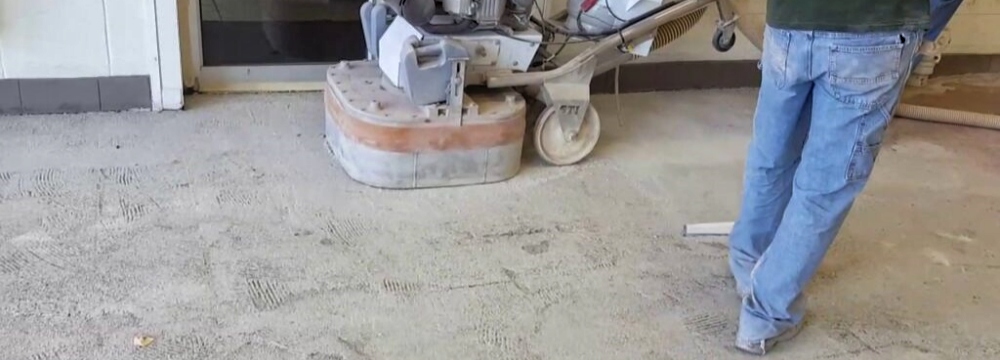
When coatings such as epoxy, paint, or adhesives are taken off a concrete floor, the surface underneath often needs extra work to get it smooth and level. That’s why proper grinding after coating removal is so important—it helps ready the floor for polishing, recoating, or sealing. If this step is skipped or rushed, you can end up with uneven areas, noticeable scratches, and weak adhesion for any layers applied afterward.
Assessing the Concrete Surface
Before you begin grinding, inspect the floor closely. Coating removal can leave behind residue, leftover adhesive, or small gouges in the concrete. Spotting these spots early lets contractors choose the right diamond tools and the correct grit sequence. Using the proper tool for each section helps create a more even cut, while also reducing the chance of unnecessary tool wear or uneven marks.
Selecting the Right Tools and Grit
What you use for grinding depends on the condition of the floor and the type of coating that was removed. Metal concrete floor grinding discs are often the go-to option for leveling rough areas and tackling tough residues left behind. After that, switching to finer resin bond diamond polishing tool or hybrid polishing pads helps refine the surface, gradually reducing scratches and bringing the concrete to the right finish for the next treatments. It’s also crucial to match the tool hardness and grit to the density of the concrete to work efficiently and achieve a better surface.
Grinding Techniques and Patterns
To get consistent results, keep your speed, pressure, and grinding overlap steady throughout the process. Use coarser grit at the beginning for heavier material removal, then move to finer grits step by step to smooth everything out. Don’t rush the work—uneven grinding can leave visible scratch marks or inconsistent textures. Regularly checking progress and cleaning the surface between passes also enhances tool performance and ensures a cleaner finish.
Finishing Considerations
After the grinding process, inspect the floor for any remaining imperfections. Transitional diamond pads can be useful for evening out small inconsistencies before moving to resin polishing stages. Properly prepared surfaces not only improve the appearance but also provide a strong base for coatings or sealers, increasing the longevity of the finished floor.
Conclusion
Grinding after coating removal is an essential step for creating a professional, long-lasting concrete surface. By inspecting the floor, selecting the right tools, following a clear grinding progression, and refining the surface carefully, contractors can improve both efficiency and final results. For high-quality diamond tools and accessories to support these needs, DTS provides a complete range of solutions for concrete floor preparation.
- Newsletter
- Join our community
- Company Info
- Feedback Customer Reviews About Us Contact Us Blog Help Center
- User Center
- Forget Password My Orders Tracking Order My Account Register
- Payment & Shipping
- Customs & Taxes Locations We Ship To Shipping Methods Payment Methods
- Company Policies
- Return Policy Privacy Policy Terms of Use Infringement Policy