
Reducing Scratches in Early Polishing Stages
The early polishing stages are critical in achieving a flawless concrete or terrazzo floor finish. After the initial grinding phase, the surface still carries micro-abrasions and faint tool marks left by metal concrete grinding head. If these scratches are not addressed correctly in the first few polishing steps—typically using hybrid or low-grit resin pads—they can carry through the entire polishing process, only becoming more visible under high gloss.
Choosing the appropriate transitional tooling is one of the best strategies to minimize scratches at this point. The purpose of transitional polishing pad is to fill the gap between finer polishing and forceful grinding. While preparing the surface for finer resin concrete polishing pad, using the proper grit—typically starting at 50 or 100—helps remove deeper grooves left by metal bond segments. Steer clear of jumping grits too soon, since this frequently results in deeper scratches.
Another important factor is operator technique. To guarantee even contact and avoid isolated abrasion patterns, uniform pressure and steady machine movement are crucial. By reducing speed during these first polishing strokes, the diamonds can function more efficiently and reduce surface imperfections. A dust-free surface and clean tools are also essential since any remaining dirt can become entrenched and create undesired scratch patterns.
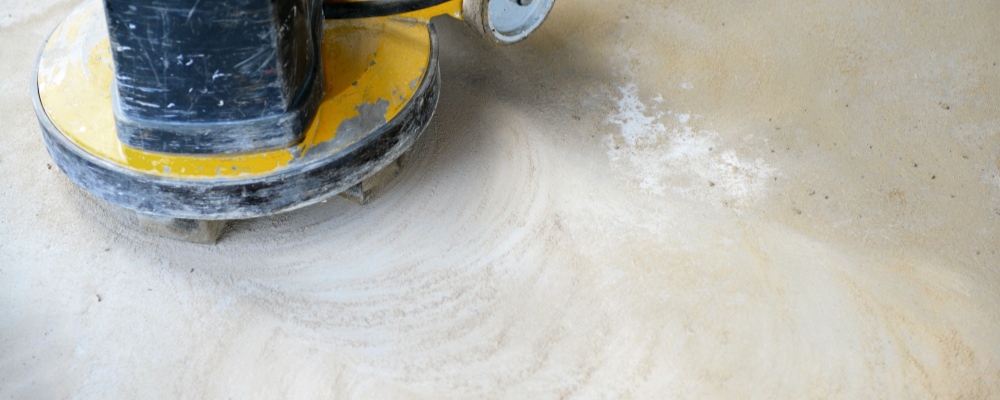
Wet polishing can also be advantageous during these early steps. Water acts as a lubricant, reduces heat buildup, and helps flush out fine particles that might otherwise become trapped under the pad. For contractors working in dry environments, using a vacuum system with fine filtration can help reduce airborne dust that may cause recontamination and micro-scratching.
Lastly, it is critical to visually verify each step in between. Before going to the next grit level, any remaining scratch patterns can be seen using a gloss meter or an angled hand-held light. Early correction ensures a smooth, uniform, and polished surface by preventing flaws from becoming more noticeable in the final polish.
By paying close attention to the early polishing stages—through proper tool selection, technique, and cleanliness—contractors can significantly reduce the risk of scratches and set the stage for a truly refined and durable surface.
- Newsletter
- Join our community
- Company Info
- Feedback Customer Reviews About Us Contact Us Blog Help Center
- User Center
- Forget Password My Orders Tracking Order My Account Register
- Payment & Shipping
- Customs & Taxes Locations We Ship To Shipping Methods Payment Methods
- Company Policies
- Return Policy Privacy Policy Terms of Use Infringement Policy