
Selecting the Right Pad Grit for Each Polishing Stage
Achieving a professional-quality finish on terrazzo, stone or concrete depends as much on the order of your grinding and polishing steps as on the tools you use. Most contractors know they need to progress through increasingly finer grits, but a common error is moving too quickly or using abrasives that aren’t suited to the material. The purpose of the initial metal bond tooling is to eliminate deep scratches and completely level the surface. If you don’t dedicate enough time to this stage, those deep flaws will remain no matter how many times you polish afterward.
Once the surface is even and flat, the next phase reveals the true effectiveness of resin bond tooling. This foundational stage usually involves grits between 50 and 200. At this point, you’re not aiming for shine but rather refining the scratch pattern left by the coarse grinding. The key is to ensure that the scratches from the 50-grit are fully replaced by the much finer scratches from the 200-grit. Skipping steps risks leaving defects like “fish eyes” or wavy textures that will mar the final polish. This step demands patience and careful attention to surface uniformity.
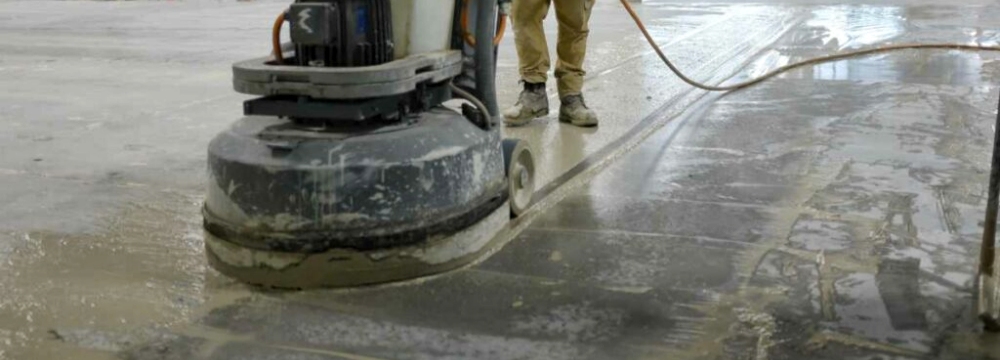
In the mid-range grit levels, typically from 400 to 800, the process transitions from grinding to genuine polishing. Here, the material should start to darken and show a slight sheen. Managing heat and applying consistent pressure are crucial at this stage. Pressing too hard can burn the resin bonds on the diamond pads, damaging both the pad and the stone’s surface. Instead, rely on the machine’s weight and the designed abrasives to do the work. This phase effectively closes the material’s pores and prepares it to reflect light.
Finally, the finishing steps—from 1500 grit up to 3000 or even using buffing compounds—bring out the high-gloss, mirror-like finish. At this point, abrasive action is minimal; the focus is on polishing rather than cutting. Keeping everything clean is essential because even a single dust particle from a previous grit can scratch the surface and undo your efforts. It’s also important to know when the material has reached its peak finish. Over-polishing certain stones with very fine diamond polishing pads can cause the surface to appear hazy or plastic-like. Recognizing when to stop and seal the finish is what distinguishes a true expert.
- Newsletter
- Join our community
- Company Info
- Feedback Customer Reviews About Us Contact Us Blog Help Center
- User Center
- Forget Password My Orders Tracking Order My Account Register
- Payment & Shipping
- Customs & Taxes Locations We Ship To Shipping Methods Payment Methods
- Company Policies
- Return Policy Privacy Policy Terms of Use Infringement Policy