
The Art of Diamond Tool Grinding: Techniques and Tips
Mastering the grinding of diamond tools is crucial for achieving accurate, efficient, and durable results when working with concrete, stone, and terrazzo. Although diamond tools are designed to be long-lasting, factors such as speed, pressure, bond choice, and technique significantly affect the quality of grinding. Grasping the basics of proper tool handling not only enhances surface finishes but also prolongs tool lifespan and lowers operating expenses.
A key principle in diamond tool grinding is choosing the appropriate bond for the material. Hard concrete usually calls for a softer bond to expose fresh diamonds as the surface offers high resistance. Conversely, soft concrete requires a harder bond diamond grinding tool, such as a Redi Lock diamond grinding tool designed with a hard bond formula, to prevent premature wear. Correctly matching bonds ensures consistent cutting, reduces glazing, and maintains stable performance across various floor types.
Equally important is managing machine speed and downward pressure. Operating at excessive speeds can cause the diamonds to slide over the surface, generating heat and diminishing effectiveness. Applying too much pressure can similarly damage the floor or cause premature segment wear. The optimal method involves a balanced mix of moderate speed and steady pressure, allowing the diamonds to cut cleanly without strain. When uncertain, adjusting one variable at a time helps find the best setup for the task.
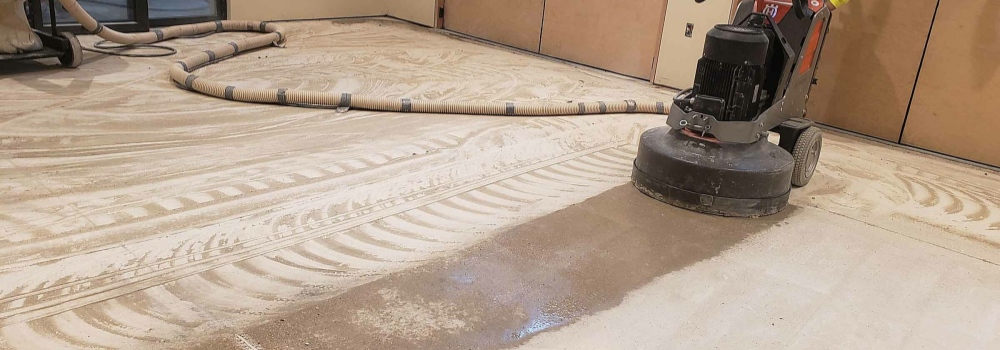
Maintaining a clean work environment is another valuable practice. Dust, slurry, and leftover debris can hinder diamond exposure and lead to uneven grinding. Regularly checking the segments, removing buildup, and rinsing the surface help keep the tool performing optimally. Simple routines like rotating tools between passes also encourage even wear and produce a consistent scratch pattern across the entire surface.
Special care is needed when working on edges and corners. Using specialized tools designed for tight areas prevents uneven transitions and ensures a uniform finish throughout the project. Many professionals also switch between metal grinding disc and hybrid transitional pad to achieve smoother refinement as they progress through different grit levels. Strategically using tools within a comprehensive grinding system results in cleaner finishes and reduces the need for rework.
Ultimately, developing a keen sense of how diamond tools react to various surfaces transforms grinding from a mere task into a skilled craft. Experienced operators can detect when a tool is grinding effectively, when diamonds are glazing, or when adjustments are necessary. With the right bond selection, machine settings, and maintenance practices, diamond tool grinding becomes an efficient, precise, and dependable process that consistently delivers professional-quality results.
- Newsletter
- Join our community
- Company Info
- Feedback Customer Reviews About Us Contact Us Blog Help Center
- User Center
- Forget Password My Orders Tracking Order My Account Register
- Payment & Shipping
- Customs & Taxes Locations We Ship To Shipping Methods Payment Methods
- Company Policies
- Return Policy Privacy Policy Terms of Use Infringement Policy