
The Business of Floor Grinding: What to Know
Floor grinding is more than just a construction service—it is a specialized business that supports concrete preparation, renovation, and finishing projects across multiple industries. From warehouses and retail stores to residential developments and industrial facilities, properly prepared concrete surfaces are essential for coatings, polished concrete, and long-term floor performance. For companies looking to enter or expand in this market, understanding both the technical and business aspects of floor grinding is critical.
Understanding Market Demand
Successful floor grinding businesses start by identifying the right market opportunities. Different customers have different needs, whether it is preparing a concrete floor for an epoxy coating, restoring an old warehouse slab, or polishing a commercial floor to a high-gloss finish. Understanding local construction trends, renovation activity, and customer expectations helps contractors position their services effectively and target projects that match their expertise and equipment capabilities.
Investing in the Right Equipment
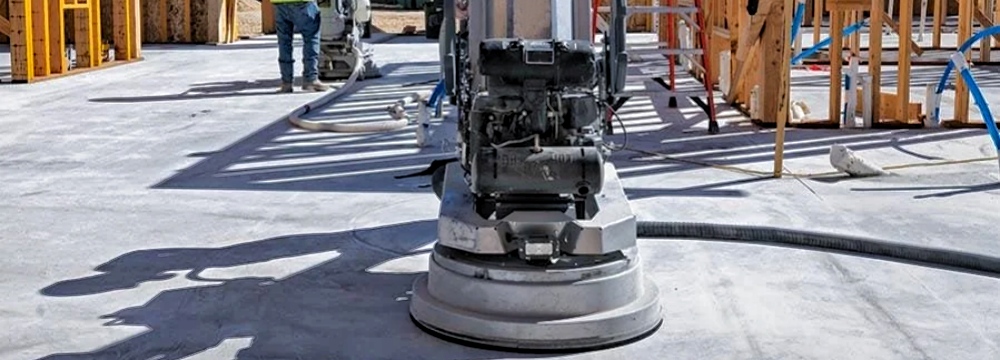
Floor grinding requires specialized tools, and choosing the right equipment can have a direct impact on productivity and profitability. Planetary grinders, handheld grinders, and diamond grinding tools are standard throughout the industry. Contractors often work with different mounting systems and tool configurations, such as EZ change diamond grinding shoes, trapezoid metal grinding tools, and Husqvarna Redi Lock diamond tools, to ensure compatibility with different grinder brands and project requirements. Selecting the right tools helps improve workflow efficiency, reduce downtime during tool changes, and maintain consistent grinding performance across various concrete surfaces. Investing in reliable equipment ultimately contributes to better project quality and long-term business success.
Managing Costs and Project Efficiency
Profitability in floor grinding depends heavily on efficient project management. Labor, tooling costs, equipment maintenance, and project timelines all influence the final profit margin. Contractors who understand how to match the correct tools to specific floor conditions often complete projects faster and with fewer tool replacements. Proper planning, accurate job estimates, and efficient workflow management can make a substantial difference in overall business performance.
Building Long-Term Customer Relationships
Reputation is frequently one of the most important corporate advantages in the floor grinding sector. Customers anticipate timely project completion, transparent communication, and consistent results. Providing excellent craftsmanship promotes recurring business and results in recommendations from pleased clients. Contractors who offer surface preparation, coating removal, grinding, and polishing solutions are frequently in a superior position to establish enduring connections with general contractors, flooring specialists, and property owners.
Looking Ahead
Professional floor grinding services are predicted to continue to be in high demand as concrete flooring continues to gain popularity in commercial and industrial development. Companies are better prepared to compete in a changing market if they invest in knowledgeable workers, dependable machinery, and premium diamond tools. Floor grinding businesses can achieve sustainable growth while satisfying the growing demands of contemporary building projects by concentrating on efficiency, quality, and customer satisfaction.
- Newsletter
- Join our community
- Company Info
- Feedback Customer Reviews About Us Contact Us Blog Help Center
- User Center
- Forget Password My Orders Tracking Order My Account Register
- Payment & Shipping
- Customs & Taxes Locations We Ship To Shipping Methods Payment Methods
- Company Policies
- Return Policy Privacy Policy Terms of Use Infringement Policy