
The Environmental Impact of Concrete and Terrazzo Flooring
Concrete and terrazzo floors are commonly chosen for commercial, residential, and architectural projects due to their strength, flexibility, and ability to last for years. Still, their environmental impact isn’t limited to what goes into the installation itself. Sustainability depends on a range of factors, including how many resources are used, how much maintenance is needed, how often the floor may have to be replaced, and whether damaged or worn areas can be repaired and restored instead of starting over.
A major environmental advantage of concrete and terrazzo is their durability. Many flooring types wear out and need to be replaced more often, but when concrete or terrazzo is installed correctly and maintained well, it can keep working effectively for a long time. This helps limit construction waste. Terrazzo can also be made with recycled content—such as glass, stone, and other aggregates—giving designers more options that support sustainability while still delivering a distinctive look.
Another effective way to reduce environmental harm is to extend the lifespan of existing floors through restoration. Rather than removing and replacing the existing floor, many projects use grinding and polishing methods to restore worn concrete and terrazzo surfaces. During the restoration process, contractors may use coating removal tooling to remove existing coatings and metal diamond grinding heads to correct surface imperfections, prepare the floor, and create a more consistent finish. Choosing the right tools for the job can boost efficiency and prevent unnecessary removal of material.
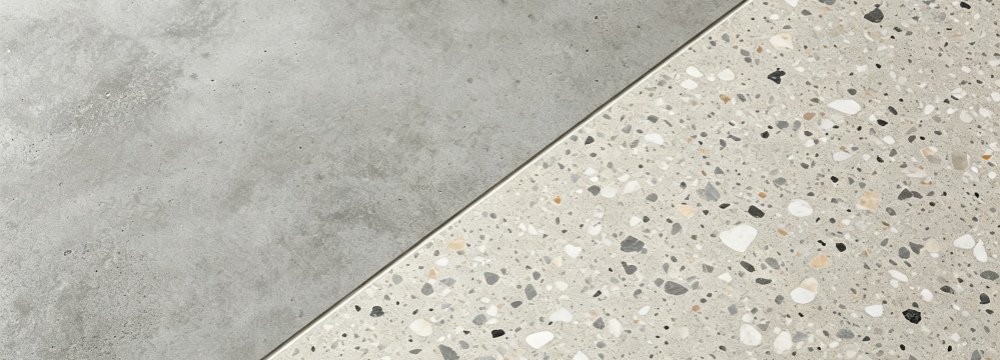
Once the surface has been prepared, proper maintenance and finishing techniques can further help concrete and terrazzo floors last longer. When a more refined appearance is needed, professional teams often rely on diamond polishing tools like dry diamond polishing pads to improve the surface texture and bring back the visual appeal of older floors. These restoration methods allow owners to keep durable flooring in place while reducing the demand for replacement materials.
In the end, the environmental impact of concrete and terrazzo flooring is shaped by the full lifecycle—everything from material selection and installation to long-term upkeep and restoration. By prioritizing durability, responsible maintenance, and efficient repair practices, these flooring systems can strike a practical balance between performance, design flexibility, and sustainability. As sustainable construction continues to evolve, keeping existing floors in service longer will remain an important strategy for cutting waste and using resources more efficiently.
- Newsletter
- Join our community
- Company Info
- Feedback Customer Reviews About Us Contact Us Blog Help Center
- User Center
- Forget Password My Orders Tracking Order My Account Register
- Payment & Shipping
- Customs & Taxes Locations We Ship To Shipping Methods Payment Methods
- Company Policies
- Return Policy Privacy Policy Terms of Use Infringement Policy