
The Impact of Weather on Concrete Surface Preparation
Weather conditions significantly affect how concrete surfaces behave during preparation. On construction sites, variations in temperature, humidity, and moisture are not merely background elements—they directly impact the slab’s response to grinding equipment and the overall efficiency of the work. Overlooking these factors often results in inconsistent outcomes, especially as surface conditions change throughout the day.
Temperature primarily influences how concrete reacts to grinding rather than altering its hardness. In colder settings, the surface tends to feel denser and less responsive, which can reduce cutting efficiency even when using diamond grinding plugs. Operators might find that more passes are needed to achieve the desired finish. Conversely, in warmer conditions, while the concrete remains stable, coatings, adhesives, or residues may soften, causing smearing instead of clean removal. This can make the process less controlled and sometimes increase tool clogging.
Moisture also plays a crucial role in surface preparation. Concrete exposed to humidity or recent rainfall can hold moisture in its pores, affecting friction during grinding and potentially causing slurry buildup. In such cases, Husqvarna Redi Lock diamond grinding tools are often preferred because their more aggressive and open cutting design helps maintain performance on slightly damp surfaces. Controlling moisture levels is essential to prevent uneven scratch patterns, decreased cutting efficiency, or excessive wear on tools.
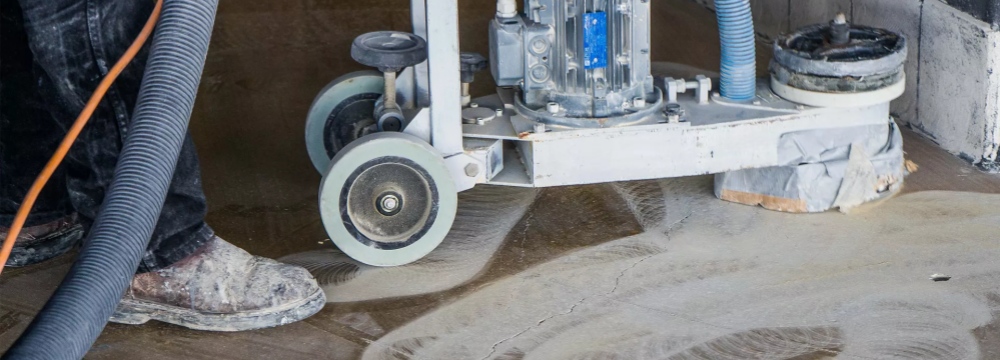
Weather impacts jobsite conditions beyond just the slab. Dry, windy environments tend to raise airborne dust levels, reducing visibility and necessitating extra dust control measures. On the other hand, slightly damp conditions can help suppress dust but may create difficulties if the surface becomes overly wet. Striking the right balance is vital for maintaining both productivity and safety.
Effective concrete surface preparation requires adapting to actual site conditions rather than following a rigid method. By recognizing how temperature and moisture affect grinding behavior and choosing appropriate concrete floor diamond tools accordingly, contractors can achieve consistent results. Careful monitoring and minor adjustments throughout the process often distinguish an average finish from a well-prepared surface ready for the next phase.
- Newsletter
- Join our community
- Company Info
- Feedback Customer Reviews About Us Contact Us Blog Help Center
- User Center
- Forget Password My Orders Tracking Order My Account Register
- Payment & Shipping
- Customs & Taxes Locations We Ship To Shipping Methods Payment Methods
- Company Policies
- Return Policy Privacy Policy Terms of Use Infringement Policy