
Understanding the Right Pressure for Polishing Machines
Achieving a professional and consistent polish on concrete, terrazzo, or stone surfaces largely depends on the amount of pressure applied during the process. Although factors like machine speed, choice of tools, and the condition of the surface are important, pressure is the key element that most directly affects the clarity of scratch patterns, heat buildup, and overall efficiency. Understanding how to properly balance downward force helps contractors prevent issues such as glazing, uneven finishes, and excessive tool wear.
Applying too little pressure can cause the machine to glide over the floor without effectively cutting, leading to longer polishing times. In this case, even high-quality diamond polishing pads struggle to properly abrade the surface, resulting in dull and inconsistent finishes. Slightly increasing the pressure allows the abrasives to engage the floor more evenly, producing a clearer and more predictable polish.
Conversely, applying too much pressure brings its own challenges. Excessive downward force can create excessive friction and heat, potentially burning the surface, damaging resins, or causing premature tool wear. This is particularly critical when using resin concrete polishing pads, as overheating can reduce their lifespan and cause costly downtime. Contractors often find that reducing pressure slightly restores cutting efficiency and improves slurry flow during wet polishing.
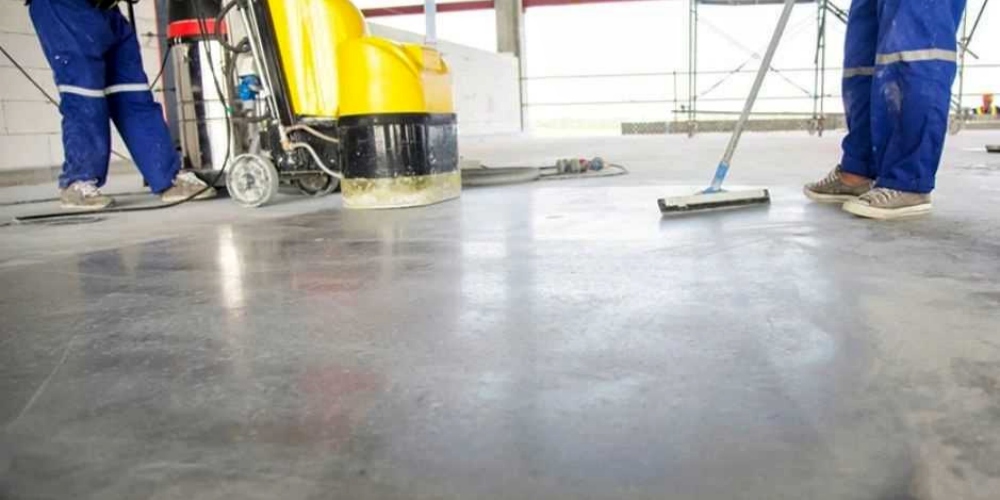
Finding the right pressure is not a one-time setting. As the floor changes throughout the process, polishing machines react differently depending on the grit level and tool type. Early grinding stages typically allow for higher pressure, while finer polishing steps require a gentler touch to avoid swirl marks and maintain clarity. Skilled operators monitor sound, vibration, and tool feedback—important signs that indicate whether the pressure is properly balanced.
Optimizing pressure helps decrease labor time, enhance surface uniformity, and prolong tool life. Whether using resin pads, metal-bonded tools, or concrete polishing disc, maintaining the correct pressure ensures smoother transitions between grits and a more consistent final shine. With the right adjustments, people can achieve efficient and reliable results on every job.
- Newsletter
- Join our community
- Company Info
- Feedback Customer Reviews About Us Contact Us Blog Help Center
- User Center
- Forget Password My Orders Tracking Order My Account Register
- Payment & Shipping
- Customs & Taxes Locations We Ship To Shipping Methods Payment Methods
- Company Policies
- Return Policy Privacy Policy Terms of Use Infringement Policy