
What Diamond Grits Are Best for Initial Concrete Prep?
When preparing a concrete surface, the choice of diamond grit plays a decisive role in how efficiently the material is removed and how smooth the transition will be to the next stage of grinding or polishing. The initial preparation stage is all about grinding through surface imperfections, coatings, or uneven spots, and this requires the right balance between aggressiveness and control.
For most initial concrete prep jobs, coarse diamond grits in the range of 16 to 30 grit are commonly preferred. These lower grits are designed to be more aggressive, quickly removing stock, leveling high spots, and exposing aggregate if needed. Contractors often turn to 16-grit diamonds Lavina diamond grinding heads for very hard coatings or thick layers, while 30-grit Husqvarna metal diamond tool offers a slightly less aggressive grind with smoother scratch patterns, making them suitable for follow-up steps.
Concrete hardness directly affects metal concrete floor grinding discs selection, including both grit size and bond type. On soft concrete, coarse diamonds can wear down quickly, so bond type and segment design must be matched carefully to the surface. On hard concrete, a lower grit provides the grinding strength needed to penetrate the dense material, while the proper bond ensures the diamonds remain effective throughout the process.
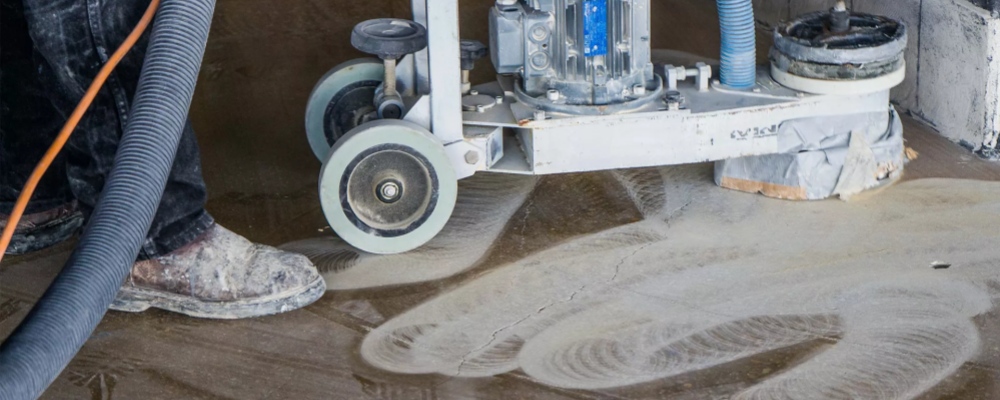
In addition to grit size and bond type, segment shape and configuration add another layer of consideration. Arrow-shaped or rectangular segments combined with 16- or 30-grit diamonds are often used to maximize grinding action during initial grinding. Once the surface has been leveled and coatings removed, contractors can gradually step up to higher grits for smoothing and polishing.
The key to a good initial prep is utilizing the appropriate grit for the surface condition and matching it with a bond and segment style that corresponds to the hardness of the concrete. Starting with the right grit guarantees a superior finish as the process progresses into finer grinding and polishing phases, saves time, and minimizes tool wear.
- Newsletter
- Join our community
- Company Info
- Feedback Customer Reviews About Us Contact Us Blog Help Center
- User Center
- Forget Password My Orders Tracking Order My Account Register
- Payment & Shipping
- Customs & Taxes Locations We Ship To Shipping Methods Payment Methods
- Company Policies
- Return Policy Privacy Policy Terms of Use Infringement Policy