
Diamond Tool Selection Made Easy: Optimize Performance for Any Job
Selecting the right diamond tool for each job is key to working faster, saving money, and getting top-quality results. Because every surface, coating, and hardness level is different, you need tools made to handle those exact conditions. Knowing how diamond tools vary—from metal bond to resin bond or PCD segments—can be the difference between a smooth workflow and a frustrating job.
Assess the Surface Type
Start by looking at the material you’re working on. Hard concrete, soft concrete, natural stone, and terrazzo all react differently to grinding or polishing. In general, a harder bond works better on softer surfaces, since it helps the diamonds wear gradually while keeping cutting performance strong. Softer bonds are usually better for harder surfaces, helping prevent glazing and early wear. If you know the exact floor type, it becomes much easier to choose the best tool options.
Consider the Task Requirements
Different tasks call for different tools and methods. For heavy grinding or removing coatings, diamond tools with larger diamond segments or coating removal PCD tools are more aggressive, so thick layers come off more easily. For finishing and polishing, resin bond tools or hybrid polishing pads create a smoother, higher-gloss result. When you match the tool’s bond and grit to the job, you get a more consistent finish and you also extend the life of the diamond tool.
Evaluate Tool Compatibility
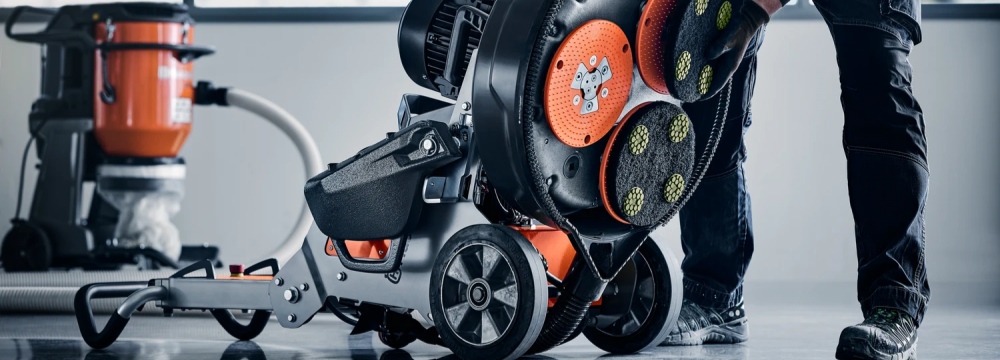
Tool selection also depends on the equipment you’re using. Some diamond tools are designed for specific grinders or handheld machines, and using the wrong match can reduce efficiency or even lead to damage. Making sure the tool is properly fitted and used at the correct rotation speed helps it perform at its best while preventing unnecessary wear or uneven results.
Monitor Wear and Adjust Progression
Even with the right tool, you still need to adjust your approach during the project. Begin with coarse tools for heavy material removal, then move gradually to finer tools for polishing. This helps maintain a consistent scratch pattern throughout. Be sure to inspect the tool regularly for wear and replace worn segments when needed—this prevents poor finishes and ensures every step meets quality expectations.
Optimizing diamond tool selection for each specific task improves results while also reducing wasted time and material. By checking the surface type, understanding the task needs, confirming equipment compatibility, and monitoring your progression, contractors can work more efficiently and deliver professional outcomes on every job.
- Newsletter
- Join our community
- Company Info
- Feedback Customer Reviews About Us Contact Us Blog Help Center
- User Center
- Forget Password My Orders Tracking Order My Account Register
- Payment & Shipping
- Customs & Taxes Locations We Ship To Shipping Methods Payment Methods
- Company Policies
- Return Policy Privacy Policy Terms of Use Infringement Policy