
Polishing Granite Countertops: A Comprehensive Guide
Polishing granite countertops is one of the most effective ways to restore shine, improve surface smoothness, and maintain the natural beauty of the stone. Granite is known for its durability, but over time, daily use can leave the surface looking dull or uneven. Proper polishing not only enhances the appearance of the countertop but also helps protect it from stains, moisture, and long-term wear.
Start with Proper Surface Preparation
Before polishing begins, the countertop should be cleaned thoroughly to remove grease, dust, and residue. Any chips, scratches, or uneven areas need to be inspected carefully, since these imperfections can become more noticeable after polishing. For surfaces with deeper scratches or minor damage, coarse diamond polishing pads are often used first to level the affected areas before moving to finer polishing stages. Skipping preparation usually leads to inconsistent shine and visible surface marks later in the process.
Use the Correct Grit Progression
Granite polishing requires gradual grit progression to achieve a smooth and reflective finish. Contractors typically begin with lower grit pads for surface refinement and then move step by step toward higher grit diamond polishing tools. Each stage removes the scratches left by the previous grit, creating a cleaner and more uniform surface. Rushing through the sequence or skipping grit levels can leave swirl marks or uneven gloss, especially on darker granite countertops where imperfections are easier to notice.
Wet Polishing vs Dry Polishing
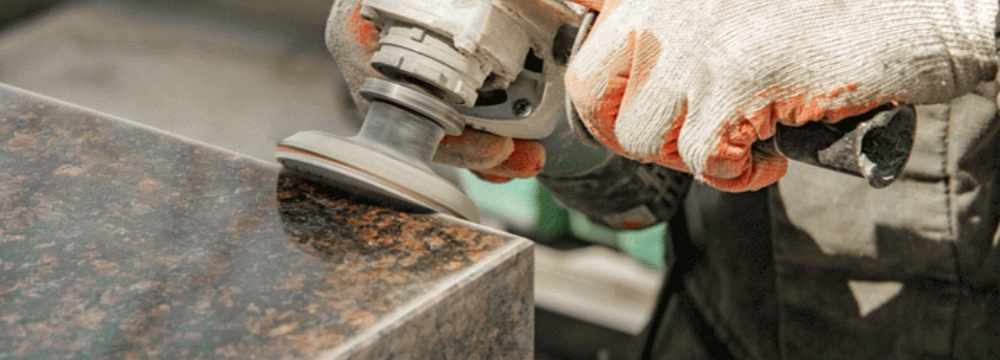
Both wet and dry polishing methods are used for granite countertops, but wet polishing with flexible wet polishing pad is often preferred for achieving a smoother finish and controlling heat buildup. Water helps cool the diamond polishing pads while reducing airborne dust during the process. Dry polishing can still be useful for smaller touch-ups or areas where water use is limited, but operators must carefully manage heat to avoid discoloration or damage to the stone surface. Choosing the right polishing method depends on the countertop condition and the desired finish quality.
Finishing and Sealing the Surface
After polishing is complete, the countertop should be cleaned again and inspected under proper lighting to ensure a consistent shine across the entire surface. Applying a quality stone sealer helps protect the granite from moisture, oils, and common household stains. Regular maintenance, including gentle cleaning and periodic resealing, keeps polished granite countertops looking bright and professional for years.
Polishing granite countertops is not simply about creating shine — it is a process that improves surface quality, restores the stone’s appearance, and extends its lifespan. With proper preparation, correct grit progression, and careful finishing, granite countertops can maintain their durability and elegant appearance in both residential and commercial spaces.
- Newsletter
- Join our community
- Company Info
- Feedback Customer Reviews About Us Contact Us Blog Help Center
- User Center
- Forget Password My Orders Tracking Order My Account Register
- Payment & Shipping
- Customs & Taxes Locations We Ship To Shipping Methods Payment Methods
- Company Policies
- Return Policy Privacy Policy Terms of Use Infringement Policy