
How to Identify Concrete Hardness Before Grinding
Identifying concrete hardness before grinding helps contractors choose suitable diamond tooling, improve grinding efficiency, and manage tool wear. Concrete floors can vary in hardness due to mix proportions, curing conditions, surface treatments, and aggregate characteristics. A floor that looks dense and smooth is not necessarily hard, so appearance alone should not determine tool selection. Assessing the surface before work begins, followed by a small test grind, gives contractors a more practical basis for planning the grinding process.
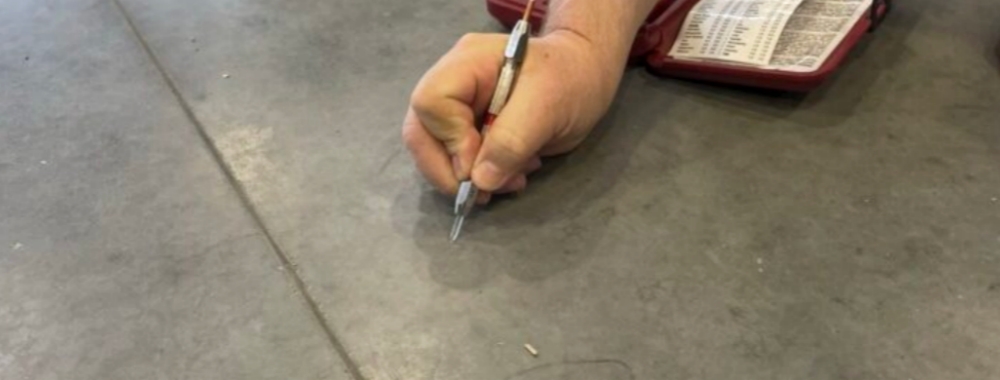
A scratch test can provide an initial indication of surface hardness. If the concrete resists scratching, it may have a harder surface; if it scratches easily or produces loose powder, it may be softer or more susceptible to abrasion. However, scratch testing is only a rough field assessment and cannot provide a precise hardness value. For projects that require more consistent measurements, contractors can use a suitable concrete surface hardness tester or an applicable standardized testing method. They should also consider whether the surface has been densified, coated, or otherwise treated, since the top layer may behave differently from the concrete beneath it.
Test grinding is another useful way to assess how the concrete responds to diamond tooling. On a small, representative area, observe the material removal rate, segment wear, and whether the diamonds continue cutting effectively or begin to glaze. These signs can help contractors determine whether the bond is suitable for the floor. As a general guideline, hard concrete often requires a softer bond so worn diamonds can release and expose fresh cutting edges. Softer, more abrasive concrete generally benefits from a harder bond that slows premature segment wear. The right choice still depends on aggregate abrasiveness, machine weight, segment design, and operating conditions, so these guidelines should be confirmed through testing.
After assessing the floor, contractors can select tooling based on the concrete condition and the amount of material to be removed. Metal bond diamond grinding tools like Terrco metal grinding tools are commonly used for concrete grinding and surface preparation, while the bond formulation and grit should match the job requirements. The performance of diamond grinding segments also depends on their shape, size, and how they interact with the concrete under the machine's operating conditions. For different grinder systems, choosing a compatible concrete diamond grinding tool requires checking the mounting interface as well as the intended application. No single tool or bond works equally well on every concrete floor.
Before starting full-scale grinding, combine the results of surface testing with observations from the test area rather than relying on one indicator alone. Recording the tooling used, bond type, material removal rate, and segment wear can help contractors make better decisions on future projects. A careful assessment of concrete hardness helps reduce unnecessary tool changes and supports a more consistent grinding process, especially when floor conditions vary across a site.
- Newsletter
- Join our community
- Company Info
- Feedback Customer Reviews About Us Contact Us Blog Help Center
- User Center
- Forget Password My Orders Tracking Order My Account Register
- Payment & Shipping
- Customs & Taxes Locations We Ship To Shipping Methods Payment Methods
- Company Policies
- Return Policy Privacy Policy Terms of Use Infringement Policy