
Wet Grinding vs Dry Grinding: Which Method Is Better for Concrete Floors?
Wet grinding and dry grinding are two common methods used in concrete surface preparation and floor finishing. The main difference is that wet grinding uses water during the grinding process, while dry grinding relies on suitable tooling and dust extraction to manage the material removed from the surface. Neither method is automatically better for every project. The right choice depends on the condition of the concrete, the required finish, the equipment available, site restrictions, and how dust or slurry can be managed. Understanding these differences helps contractors select a process that balances productivity, surface quality, and practical working conditions.
Wet grinding uses water to cool the grinding area and control airborne dust by capturing much of the concrete dust in a slurry. This can be useful when grinding generates substantial dust or when a particular tool and process are designed for wet operation. Water may also help flush away grinding debris, but the resulting slurry must be collected and disposed of appropriately rather than allowed to enter drains without authorization. Wet grinding can require additional cleanup and drying time, especially when the floor needs to be coated or treated with a product that requires a dry substrate. Contractors should confirm that the grinder, diamond tooling, and any chemical treatments used are compatible with wet processing.
Dry grinding is often chosen for projects where water use would complicate the work or where the floor needs to remain relatively dry. With compatible diamond tooling and an effective dust-extraction system, contractors can remove concrete material and refine the surface while collecting dust at the source. This can simplify site cleanup and make dry grinding practical in occupied buildings, commercial spaces, and projects with tight schedules. However, dry grinding does not eliminate airborne dust completely. The extraction equipment, shroud, filters, and connections must be suitable for the task and maintained properly. Concrete dust can contain respirable crystalline silica, so contractors must follow applicable occupational safety requirements and use appropriate dust-control measures and respiratory protection where required.
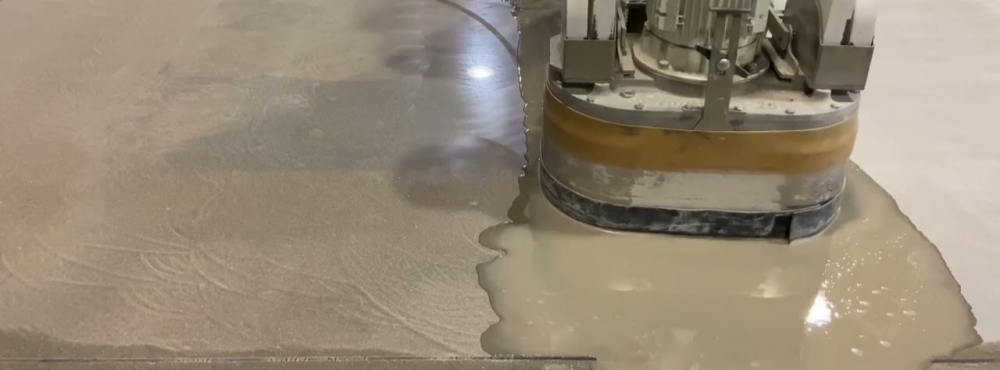
The choice between wet and dry grinding can also affect workflow and the steps needed before the floor is finished. Wet grinding produces slurry that must be removed, and the concrete may need sufficient drying before certain coatings, sealers, or other treatments can be applied. Dry grinding avoids introducing process water, but dust extraction and regular inspection remain essential. Neither method guarantees a better-looking floor on its own. The final result depends on the concrete’s hardness and aggregate, the diamond tooling and grit sequence, machine settings, and consistent coverage. Contractors working with different grinder systems can select compatible tools, such as an HTC diamond grinding tool, a Husqvarna metal grinding tool, or a Lavina floor grinding tool, according to the machine interface, grinding requirements, and whether the tooling is rated for wet or dry use.
For many concrete floor projects, the most suitable method is the one that fits the site conditions and the complete finishing plan. Dry grinding may be preferable when water management is difficult and dust can be controlled effectively, while wet grinding can be useful when water is compatible with the process and slurry collection is practical. Some projects may use different methods at different stages, provided the tooling, equipment, and subsequent treatments allow for it. Before work begins, contractors should assess the floor, check manufacturer recommendations, plan dust or slurry management, and confirm the requirements of any densifier, sealer, or coating to be applied. Choosing the method based on these factors is more reliable than treating wet or dry grinding as a universal solution.
- Newsletter
- Join our community
- Company Info
- Feedback Customer Reviews About Us Contact Us Blog Help Center
- User Center
- Forget Password My Orders Tracking Order My Account Register
- Payment & Shipping
- Customs & Taxes Locations We Ship To Shipping Methods Payment Methods
- Company Policies
- Return Policy Privacy Policy Terms of Use Infringement Policy