
How to Reduce Dust During Concrete Grinding
Concrete grinding can generate a considerable amount of dust, particularly during dry grinding and surface preparation. Fine concrete dust may spread beyond the immediate work area, affect visibility, settle on nearby equipment, and create health risks for workers. Since concrete dust can contain respirable crystalline silica, controlling it is an important part of maintaining a safer and cleaner job site. Effective dust management starts before grinding begins and requires the right equipment, suitable working methods, and consistent attention throughout the project.
One practical way to control dust is to use wet grinding, where water is introduced during the grinding process to help suppress airborne particles. The water captures much of the dust generated at the grinding surface, but it also creates slurry that needs to be collected and disposed of properly. Wet grinding may not be suitable for every project, especially when the floor must remain dry or when water could interfere with subsequent treatments. Contractors should also confirm that the grinder and diamond tooling are designed for wet operation before using this method.
When dry grinding is required, an effective dust extraction system is essential. A compatible dust extractor connected to the grinder helps capture dust close to its source before it spreads into the surrounding area. The shroud, hose connections, filters, and collection system should all be checked to ensure they are working properly. Damaged hoses, loose connections, clogged filters, or poorly fitted shrouds can reduce extraction efficiency and allow dust to escape. Using equipment specifically designed for concrete grinding and following the manufacturer's recommendations helps maintain more consistent dust collection.
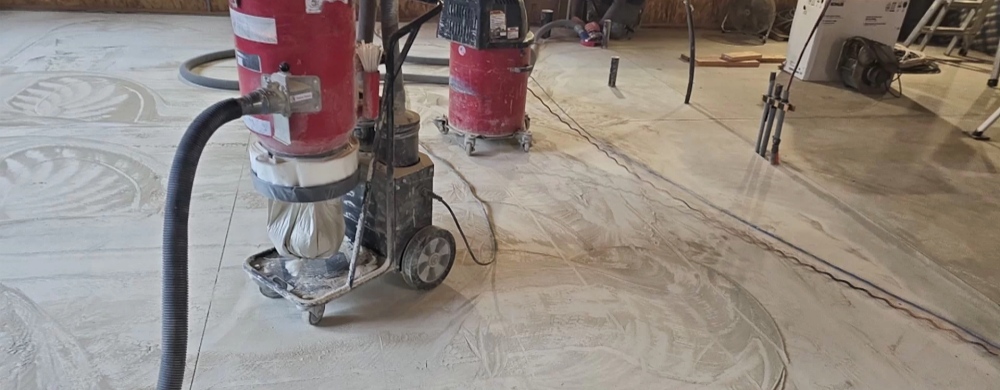
Tool selection and grinding technique can also influence how much dust is produced and how effectively it is collected. Suitable diamond grinding tools for concrete should match the floor condition, grinder, and intended application. Contractors may use a metal bond diamond grinding tool for concrete surface preparation or concrete floor PCD tools for removing certain coatings and stubborn bonded materials, depending on the task. Choosing the correct tooling can help avoid unnecessary grinding passes and excessive material removal. Consistent machine movement, appropriate pressure, and regular inspection of the tooling and dust extraction setup also contribute to better control during operation.
Good site management is just as important as the grinding equipment itself. Before work starts, isolate the grinding area where practical and protect nearby spaces from dust migration. Workers should avoid dry sweeping or using compressed air to clean settled concrete dust, as these methods can put fine particles back into the air. Use suitable industrial vacuum equipment or other approved cleaning methods instead. Appropriate respiratory protection and other personal protective equipment should also be selected according to the exposure assessment and applicable safety requirements. Even when dust extraction is in place, workers should not assume that all airborne silica has been eliminated.
Reducing dust during concrete grinding requires more than choosing between wet and dry methods. It involves controlling dust at the source, maintaining extraction equipment, selecting suitable tooling, and following safe cleaning and work practices. Contractors should assess the floor, equipment, and site conditions before choosing a dust control approach, then check that the controls remain effective throughout the job. A well-planned system helps limit dust migration, improve working conditions, and support more efficient concrete surface preparation.
- Newsletter
- Join our community
- Company Info
- Feedback Customer Reviews About Us Contact Us Blog Help Center
- User Center
- Forget Password My Orders Tracking Order My Account Register
- Payment & Shipping
- Customs & Taxes Locations We Ship To Shipping Methods Payment Methods
- Company Policies
- Return Policy Privacy Policy Terms of Use Infringement Policy