
How to Restore Damaged Concrete Floors
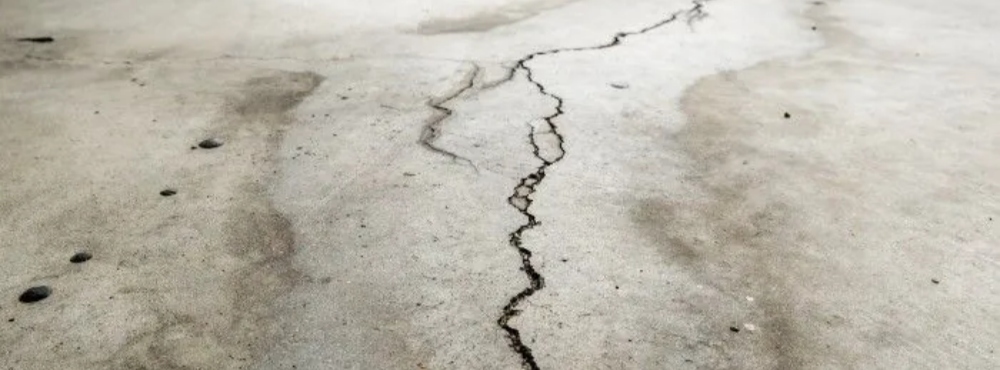
Restoring a damaged concrete floor starts with understanding what has gone wrong rather than simply covering the visible defects. Common problems include cracks, surface spalling, delamination, pits, uneven areas, weak surface paste, and damage caused by moisture, chemicals, impact, or freezing and thawing. The first step is to inspect the floor and determine whether the problem is limited to the surface or extends deeper into the slab. Loose or unsound concrete should be identified and removed, while significant structural deterioration may require evaluation by a qualified professional.
Once the damaged areas have been identified, proper surface preparation is essential. Loose concrete, dust, oil, old coatings, laitance, and other contaminants can interfere with the bond between the existing slab and the repair material. Depending on the condition of the floor, preparation may involve mechanical grinding, shot blasting, scarifying, pressure washing, or localized removal of deteriorated concrete. Grinding is particularly useful for removing minor surface irregularities, weak surface material, and certain coatings while producing a suitable surface for subsequent work. The preparation method should match the condition of the concrete and the requirements of the repair system being used.
The next step is to repair the specific defects with a material suited to their size and depth. Small pits, chips, and shallow surface defects can often be repaired with appropriate cement-based patching materials, while deeper spalls or larger areas of deteriorated concrete may require a more substantial repair material and a carefully prepared repair cavity. Cracks should also be evaluated before filling because the appropriate treatment depends on the type, width, movement, and cause of the crack. For spalled or delaminated areas, the defective concrete needs to be removed until a sound substrate is reached, followed by cleaning and preparation before the repair material is installed.
After the repairs have cured sufficiently, the floor can be mechanically refined to improve its overall flatness and appearance. Concrete floor grinding can help remove minor high spots, surface irregularities, and remaining unwanted material, creating a more uniform surface for the intended finish. If the floor will be polished, the condition of the repaired areas should be considered when selecting the grinding and polishing sequence. Diamond grinding tools, such as trapezoid grinding tooling and grinding tools for Lavina grinder, are commonly used for concrete surface preparation because they can remove surface material in a controlled manner, but the tooling and grit should be selected according to the concrete condition, the amount of material that needs to be removed, and the desired finish.
A successful concrete floor restoration is not simply about making damaged areas look better. The repaired surface needs to be clean, properly bonded, compatible with the existing concrete, and suitable for its next use, whether that means applying a coating, installing flooring, or polishing the concrete. Before the final finish is applied, the surface should be checked for remaining defects, contamination, moisture-related concerns, and uneven areas. Good preparation and the correct repair method make a significant difference to the durability of the finished floor. In practice, taking the time to diagnose the damage and prepare the substrate correctly is often more important than trying to make the repair process as fast as possible.
- Newsletter
- Join our community
- Company Info
- Feedback Customer Reviews About Us Contact Us Blog Help Center
- User Center
- Forget Password My Orders Tracking Order My Account Register
- Payment & Shipping
- Customs & Taxes Locations We Ship To Shipping Methods Payment Methods
- Company Policies
- Return Policy Privacy Policy Terms of Use Infringement Policy