
The Birth of Concrete Floors: Transforming Construction and Architecture
The development of concrete floors marked an important change in the history of construction. Before concrete became widely used, flooring options were often limited by the strength, availability, and maintenance requirements of materials such as wood, stone, or compacted earth. The introduction of concrete provided builders with a stronger and more adaptable surface that could support heavier structures and meet the demands of growing cities and industries.
The rise of concrete flooring was closely connected to the expansion of modern construction. As factories, warehouses, and commercial buildings became larger, architects and engineers needed flooring systems that could withstand heavy traffic, machinery, and long-term use. Concrete offered durability, structural stability, and relatively simple maintenance, making it a practical choice for industrial and public spaces. Over time, its use expanded from purely functional applications into offices, retail environments, and residential projects.
Beyond its practical advantages, concrete floors also influenced architectural design. The material’s ability to be shaped, finished, and combined with different surface treatments gave designers more creative possibilities. Polished concrete, exposed aggregate finishes, and decorative concrete surfaces helped change the perception of concrete from a basic structural material into an important design element. Today, concrete floors are often selected not only for their strength but also for their clean appearance and ability to complement modern interior styles.
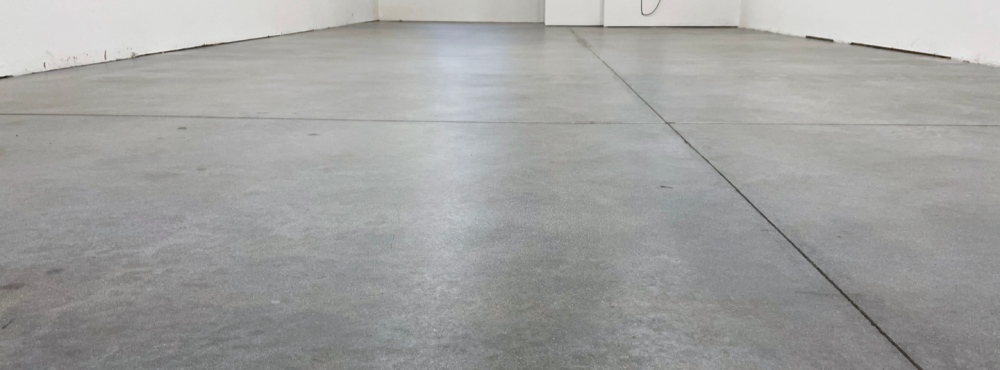
As concrete flooring technology has developed, improvements in surface preparation and finishing have allowed existing and new concrete floors to achieve more refined results. During renovation or finishing projects, contractors may use diamond grinding tools for concrete to prepare surfaces, remove imperfections, and create suitable conditions for further treatment. For projects requiring controlled surface work, concrete metal grinding tools and other advanced diamond tooling solutions help maintain the balance between efficient material removal and preserving the quality of the floor.
The continued popularity of concrete floors reflects their ability to adapt to changing construction needs. From early industrial applications to contemporary architectural spaces, concrete has remained relevant because of its durability, versatility, and long service life. With modern techniques such as surface refinement and polishing, including the use of diamond polishing tools in finishing applications, concrete floors continue to provide solutions that combine performance, design flexibility, and sustainable use of existing materials.
- Newsletter
- Join our community
- Company Info
- Feedback Customer Reviews About Us Contact Us Blog Help Center
- User Center
- Forget Password My Orders Tracking Order My Account Register
- Payment & Shipping
- Customs & Taxes Locations We Ship To Shipping Methods Payment Methods
- Company Policies
- Return Policy Privacy Policy Terms of Use Infringement Policy