
Maximizing Efficiency and Minimizing Issues in Concrete Floor Grinding
Efficient concrete floor grinding is not simply about removing material as quickly as possible. Many problems that slow down a project come from small decisions made before and during grinding, such as using the wrong tooling, applying too much pressure, or failing to adjust to the condition of the concrete. A smoother process usually starts with understanding the floor first and choosing a grinding approach that matches the actual job requirements.
Concrete slabs can vary significantly from one project to another. A hard, dense floor may require a different approach than a softer slab, and using the same tooling for every application can lead to poor cutting performance or unnecessary wear. Choosing suitable concrete floor diamond grinding tools helps maintain a more effective grinding action, allowing the diamonds to cut properly instead of creating excessive heat and friction.
Grinding speed and tool life are also closely connected to machine operation. Too much downward pressure may seem like it increases production, but it can actually reduce tool life and create an uneven surface. On the other hand, insufficient pressure may prevent the diamonds from working effectively. Using the right metal bond diamond tools like Husqvarna grinding tools for the concrete condition allows contractors to achieve a better balance between removal rate, tool performance, and surface quality.
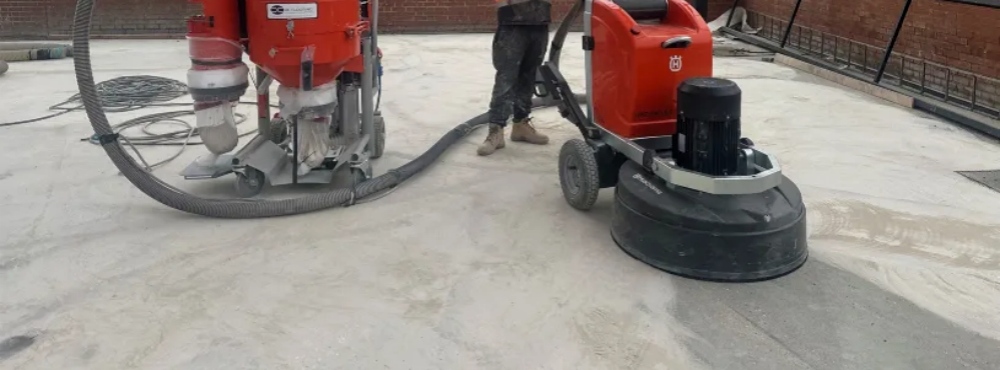
Another factor that affects efficiency is checking the floor throughout the grinding process. Dust buildup, uneven wear patterns, and changes in the concrete can provide useful information about whether the current setup is working correctly. For different stages of preparation, contractors may select diamond floor grinding tools with different bonds, grits, or segment designs depending on whether they need faster removal, surface refinement, or a more controlled finish.
Reducing problems during concrete grinding often comes down to making adjustments early rather than correcting mistakes later. By evaluating the slab condition, monitoring how the tooling performs, and selecting the right grinding method for each stage, contractors can reduce unnecessary passes, avoid premature tool wear, and achieve more consistent results across different projects.
- Newsletter
- Join our community
- Company Info
- Feedback Customer Reviews About Us Contact Us Blog Help Center
- User Center
- Forget Password My Orders Tracking Order My Account Register
- Payment & Shipping
- Customs & Taxes Locations We Ship To Shipping Methods Payment Methods
- Company Policies
- Return Policy Privacy Policy Terms of Use Infringement Policy