
The Resurgence of Terrazzo: Why This Flooring Trend is Here to Stay
Terrazzo has a long history, but its return to contemporary interiors is not simply a case of an old material becoming fashionable again. Designers have found new ways to use its familiar combination of aggregate and binder, creating floors that can range from subtle and understated to bold and highly decorative. Marble chips, glass, stone, and other aggregates can be combined in different sizes and colors, while the choice of binder adds further possibilities. This makes terrazzo adaptable to current design preferences without losing the character that has always made it distinctive.
Its versatility is particularly relevant as designers look for flooring that can contribute to the overall identity of a space. A terrazzo floor can work with a restrained neutral palette in a modern office, become a visual feature in a hotel lobby, or add texture and color to a retail or residential interior. Because the aggregate is distributed throughout the material rather than simply applied as a surface pattern, the finished floor has a depth and character that can be difficult to reproduce with printed flooring products. That visual flexibility allows terrazzo to move between different architectural styles instead of being tied to a single design trend.
The material also has practical qualities that support its renewed popularity. Properly installed terrazzo can handle heavy foot traffic and, with suitable maintenance, remain in service for many years. Existing floors can also be restored when wear, scratches, or surface irregularities become noticeable. Depending on the condition and composition of the floor, restoration contractors may use PCD removal tooling, metal bond diamond grinding discs and diamond polishing pucks at different stages of surface preparation and refinement. The important point is not the tooling itself, but the ability to restore an existing terrazzo surface rather than automatically replacing the entire floor when it begins to show its age.
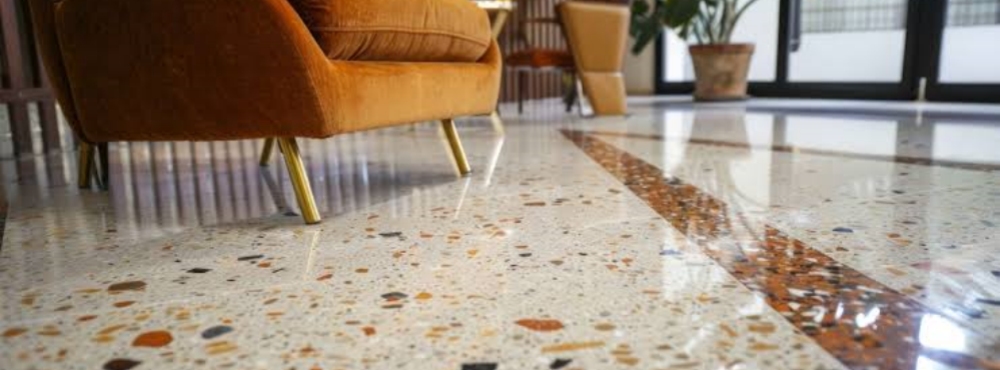
Maintenance further strengthens terrazzo's long-term appeal. Routine cleaning helps prevent dirt, sand, and other abrasive particles from gradually affecting the surface, while periodic professional maintenance can address wear before it becomes a larger problem. Unlike flooring that depends heavily on replacing a decorative surface layer, terrazzo can often be refinished to recover a more consistent appearance. This repair and restoration potential gives building owners another reason to consider the material for spaces expected to remain in use for many years.
Terrazzo's resurgence ultimately comes from the balance it offers between appearance and performance. It can provide a distinctive visual finish without limiting designers to a narrow range of styles, while its durability and potential for restoration support a long service life. Trends in interior design will continue to change, but materials that can adapt to those changes tend to have greater staying power. Terrazzo fits that description well, which is why its renewed popularity looks less like a passing revival and more like a lasting role in contemporary flooring.
- Newsletter
- Join our community
- Company Info
- Feedback Customer Reviews About Us Contact Us Blog Help Center
- User Center
- Forget Password My Orders Tracking Order My Account Register
- Payment & Shipping
- Customs & Taxes Locations We Ship To Shipping Methods Payment Methods
- Company Policies
- Return Policy Privacy Policy Terms of Use Infringement Policy