
Optimizing Diamond Grinding Processes Through Tool Development
A diamond grinding tool that works well on one concrete floor may perform quite differently on another. Contractors often encounter changes in cutting speed, tool wear, and surface results even when using the same grinder. These differences are closely related to the concrete itself, but they also highlight how much the tool design matters. Improving the grinding process therefore starts with developing tools that respond more reliably to different materials and working conditions, rather than relying on a single design for every job.
Bond selection is a good example. When grinding soft, abrasive concrete, a bond that wears too quickly can lead to short tool life and frequent replacements. On harder concrete, however, a bond that is too hard may hold the diamonds for too long, preventing fresh cutting edges from being exposed. This is why manufacturers develop different bond formulations instead of treating bond hardness as a one-size-fits-all specification. Well-matched metal bond diamond grinding tools can maintain a more suitable balance between diamond exposure, cutting ability, and wear rate.
The segment design deserves the same attention. Segment shape and dimensions affect how the diamonds contact the floor and how material is removed during grinding. A design intended for fast stock removal may not produce the same results when the job calls for controlled leveling or a more even scratch pattern. Grit size and diamond distribution also influence the outcome. When developing concrete diamond grinding tooling, these elements need to work together; changing one specification without considering the others does not necessarily improve overall performance.
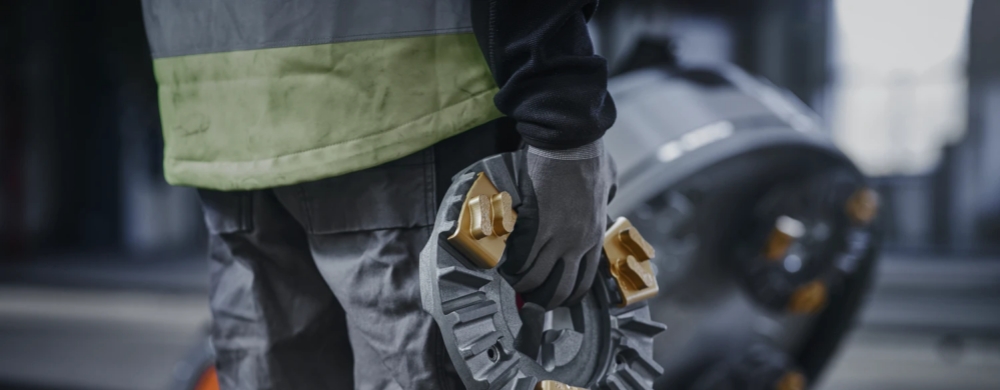
Actual grinding trials often reveal problems that specifications alone cannot show. A tool may cut quickly at first but wear unevenly after extended use, or perform well on one concrete mix while struggling on another. Testing under different machine speeds, pressure levels, and floor conditions helps manufacturers identify these differences. Dust extraction and water supply also need to be considered, as poor dust or slurry removal can affect cutting performance. Feedback from contractors is particularly useful here because it shows how a tool behaves beyond controlled testing conditions. For professional diamond grinding tools, practical performance and compatibility with the intended grinder systems are just as important as the initial design.
Tool development is an ongoing process. Concrete conditions vary from project to project, and contractors need tooling that can handle those differences without creating unnecessary interruptions or inconsistent results. By reviewing tool wear, material removal, and finished scratch patterns, manufacturers can make informed adjustments to bond formulations and segment designs. These improvements may seem small individually, but together they can make diamond grinding more predictable and efficient on the job.
- Newsletter
- Join our community
- Company Info
- Feedback Customer Reviews About Us Contact Us Blog Help Center
- User Center
- Forget Password My Orders Tracking Order My Account Register
- Payment & Shipping
- Customs & Taxes Locations We Ship To Shipping Methods Payment Methods
- Company Policies
- Return Policy Privacy Policy Terms of Use Infringement Policy