
Tools for Dry Use vs Wet Use: Key Considerations
Deciding whether to use dry or wet tools impacts both the effectiveness and workflow of a project—it’s more than just personal preference. Factors such as the floor’s condition, the work environment, and the desired finish all influence which method is more suitable. Being aware of the differences helps prevent common problems like poor surface quality, excessive tool wear, or extra cleanup.
Dry tools like dry use copper resin pads are often chosen for their convenience and speed. Since no water is involved, setup is easier and there’s no slurry to deal with during or after the work. This makes dry grinding and polishing a practical option for indoor jobs where cleanliness and efficiency are important. However, dry use generates more heat and dust, so effective dust extraction and careful machine handling are necessary to protect both the tools and the workspace.
Wet tools such as flexible wet polishing pads provide different benefits. Using water reduces heat buildup, which can extend tool life and ensure more consistent cutting or polishing performance. It also helps control airborne dust, which is especially beneficial in enclosed or sensitive areas. In polishing, wet use often results in a smoother, more polished finish because the water acts as a lubricant, allowing abrasives to work more evenly across the surface.
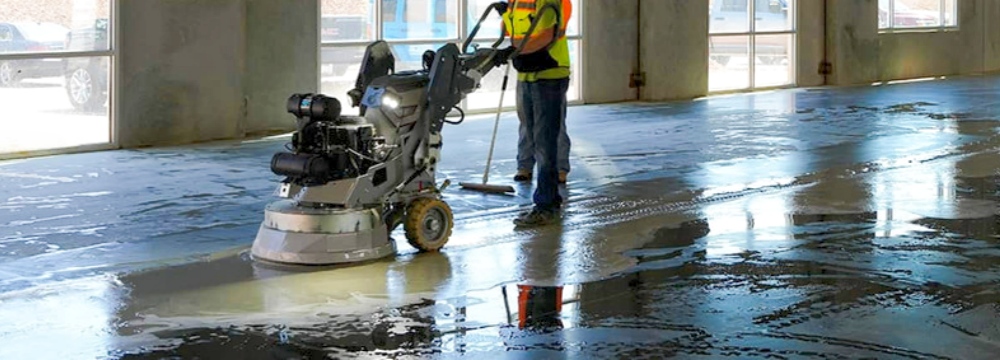
That said, wet use has its own challenges. Managing slurry becomes part of the process, and cleanup can require extra time and effort. On some sites, especially those with strict environmental or operational rules, handling wastewater may not be feasible. In such cases, dry methods might still be preferred despite the need for more careful heat and dust management.
Ultimately, choosing between dry and wet diamond tools depends on the specific job conditions and the desired outcome. Dry methods offer speed and simplicity, while wet methods provide better cooling and often a finer finish. Understanding when to use each approach enables contractors to work more efficiently while ensuring consistent surface quality.
- Newsletter
- Join our community
- Company Info
- Feedback Customer Reviews About Us Contact Us Blog Help Center
- User Center
- Forget Password My Orders Tracking Order My Account Register
- Payment & Shipping
- Customs & Taxes Locations We Ship To Shipping Methods Payment Methods
- Company Policies
- Return Policy Privacy Policy Terms of Use Infringement Policy