
What Is the Best Tool for Terrazzo Grinding?
Choosing the best tool for terrazzo grinding depends on the type of terrazzo, the condition of the floor, and the finish you want to achieve. Terrazzo is made by combining decorative aggregates, such as marble, glass, or other materials, with a cementitious or resin-based binder. These different compositions affect how the floor responds to diamond abrasives. A tool that performs well on cement-based terrazzo may not produce the same results on epoxy terrazzo. Rather than looking for one tool that works on every floor, contractors should consider the material composition and grinding requirements before selecting their tooling.
For most mechanical terrazzo grinding projects, metal bond diamond tools like Lavina grinder diamond grinding tools are a common choice for initial grinding and surface preparation. They are designed to remove material, level uneven areas, expose aggregates, and address surface imperfections. The appropriate diamond grit depends on how much material needs to be removed. Coarser grits are generally used for more aggressive grinding, while finer grits help refine the surface before subsequent polishing stages. Bond hardness is equally important. Aggregate composition and binder characteristics influence tool wear and cutting performance, so contractors should test different bond options when working with unfamiliar terrazzo floors.
The design of the diamond segments also affects grinding performance. Segment shape, size, and arrangement influence how the tool contacts the floor, removes material, and distributes wear. Machine compatibility should not be overlooked either. Terrazzo contractors may use different floor grinding systems, so the tooling must match the grinder's mounting connection and operating requirements. Machine weight, speed, and working pressure can also affect the result. Selecting the right diamond grinding tools for terrazzo means considering the complete grinding setup rather than focusing on grit or bond type alone.
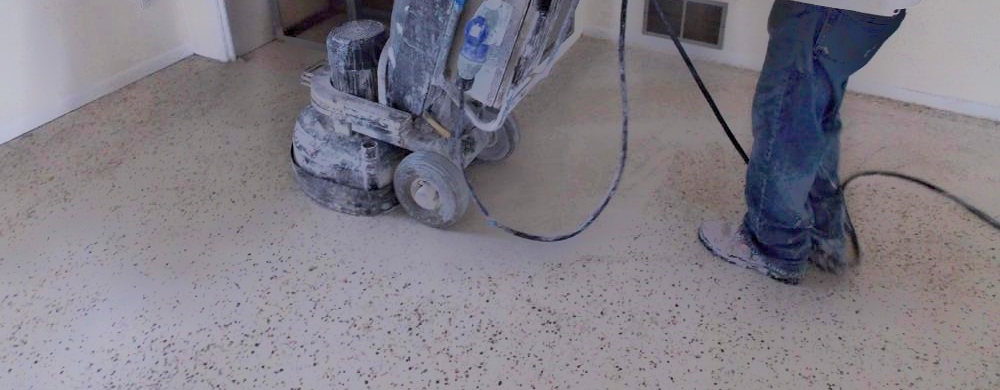
Once the initial grinding and leveling are complete, the floor needs progressively finer abrasives to refine the scratch pattern. Metal bond tooling is generally used during the earlier grinding stages, while resin bond diamond polishing pads are commonly introduced for honing and polishing. Each stage should remove or sufficiently refine the scratches left by the previous grit before moving forward. Skipping stages can leave visible scratches that become more noticeable as the surface develops a higher gloss. The exact sequence depends on the terrazzo material, its initial condition, and the desired finish. Wet or dry processing should also follow the recommendations for the selected tooling and machine.
Before starting a full project, test a small area to evaluate how the terrazzo responds to the selected tools. Pay attention to material removal, aggregate exposure, segment wear, and the appearance of the surface after each grinding stage. Excessive grinding can remove more of the binder and aggregate than intended, potentially changing the floor's original appearance. It is also important to maintain consistent machine movement and clean the floor between grit changes to prevent coarse abrasive particles from causing additional scratches. Ultimately, the best tool for terrazzo grinding is the one that matches the floor's composition, achieves the required surface correction, and allows a controlled transition into the polishing stages.
- Newsletter
- Join our community
- Company Info
- Feedback Customer Reviews About Us Contact Us Blog Help Center
- User Center
- Forget Password My Orders Tracking Order My Account Register
- Payment & Shipping
- Customs & Taxes Locations We Ship To Shipping Methods Payment Methods
- Company Policies
- Return Policy Privacy Policy Terms of Use Infringement Policy