
Concrete Floors: The Optimal Surface for Tile and Stone Installations
Concrete is widely used as a base for tile and stone flooring because it provides a solid, rigid substrate that can support finished materials over the long term. A properly prepared concrete floor offers a stable foundation for ceramic tile, porcelain tile, natural stone, and other surface finishes. However, the concrete itself still needs to be evaluated before installation. Cracks, uneven areas, surface contamination, moisture, and weak spots can all affect how well the finished flooring performs.
Surface preparation should begin with a close inspection of the slab. Dust, curing compounds, old adhesive, paint, and other contaminants may interfere with the bond between the concrete and the tile or stone. Minor surface irregularities may be addressed through mechanical preparation, and contractors may use concrete floor metal grinding heads, diamond cup wheels, or other suitable diamond tooling when material needs to be removed or the surface needs to be opened. The goal is not to grind the slab unnecessarily, but to create a clean and suitable surface for the installation system being used.
Flatness is another important consideration, particularly with large-format tile and stone. High spots can prevent materials from sitting properly, while depressions may require additional leveling or patching. Grinding can be useful for correcting localized high areas and removing surface irregularities, but it is not a replacement for repairing structural cracks or correcting significant substrate problems. Where extensive leveling is required, the appropriate repair or leveling system should be selected according to the installation requirements.
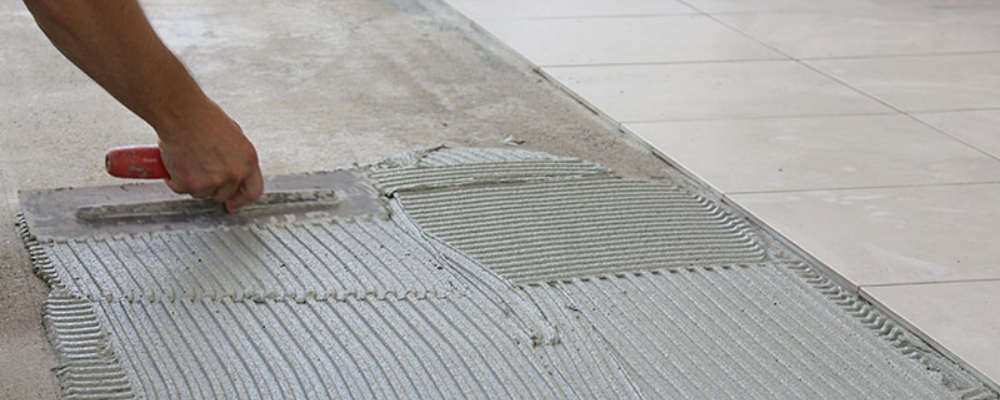
Moisture also needs to be considered before tile or stone is installed over concrete. A slab can retain moisture even when its surface appears dry, and excessive moisture may affect adhesives, membranes, leveling products, or other components of the flooring system. Moisture testing should therefore be carried out when required by the installation system or product manufacturer. The results can determine whether additional moisture control measures are needed before the finished floor is installed.
Concrete provides a strong and stable foundation for tile and stone, but good results depend on the condition of the substrate rather than the concrete itself simply being present. Checking the slab, removing surface contaminants, addressing flatness issues, and controlling moisture can all contribute to a more reliable installation. When the concrete is properly evaluated and prepared, it provides the solid base needed for tile and stone flooring to perform as intended.
- Newsletter
- Join our community
- Company Info
- Feedback Customer Reviews About Us Contact Us Blog Help Center
- User Center
- Forget Password My Orders Tracking Order My Account Register
- Payment & Shipping
- Customs & Taxes Locations We Ship To Shipping Methods Payment Methods
- Company Policies
- Return Policy Privacy Policy Terms of Use Infringement Policy