
How to Grind Old Concrete Floors for Renovation
Renovating an old concrete floor often starts with understanding what condition the existing surface is in. Years of use can leave concrete floors with worn areas, old coatings, stains, uneven textures, or surface damage that affects their appearance and future use. Grinding is commonly used during renovation because it can remove unwanted surface materials and create a more suitable base for a new finish without requiring complete floor replacement.
Before grinding begins, the floor should be carefully inspected to identify what needs to be addressed. Old paint, adhesive, epoxy coatings, and damaged surface layers may require concrete floor PCD tools, while cracks and structural issues may need separate repairs. The depth of grinding should also be considered, since removing too much material can affect the existing slab unnecessarily. For contractors working on renovation projects, concrete diamond grinding tools are often selected according to the type of material being removed and the condition of the floor.
The grinding process itself requires a balance between removal efficiency and surface control. Machine weight, grinding pressure, travel speed, and the condition of the concrete all influence the final result. Older floors may contain areas with different hardness levels due to repairs, aggregate exposure, or years of wear, so the same grinding approach may not work equally across the entire surface. In these situations, selecting suitable diamond floor grinding tools and adjusting the grinding process can help achieve a more consistent surface.
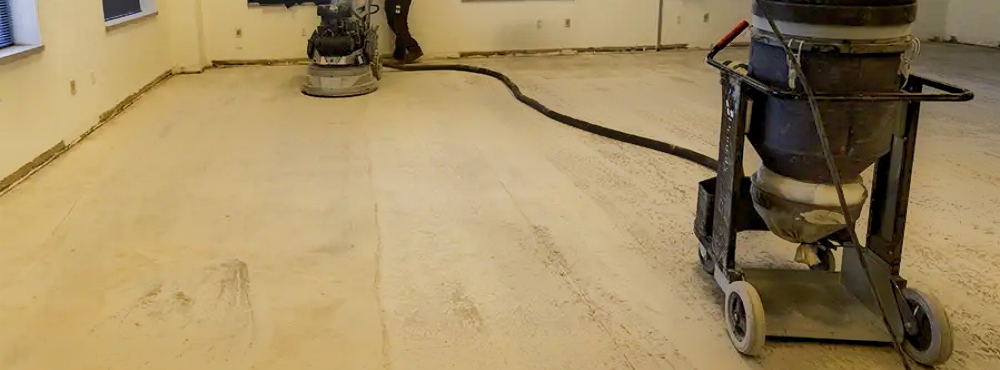
Dust management and regular surface checks are also important during renovation work. Removing debris helps maintain better contact between the tooling and the concrete, while frequent inspection allows operators to identify areas that need additional attention. In some projects, contractors may use HTC diamond grinding tools or other compatible tooling systems depending on the machine being used and the requirements of the floor. The equipment choice should always support the renovation goal rather than simply focusing on faster material removal.
Once the grinding stage is complete, the renovated concrete floor can move on to the next step, whether that involves coating, sealing, or further refinement. A properly prepared surface improves the reliability of later treatments and helps extend the usable life of the floor. Successful concrete floor renovation is not about aggressive removal alone, but about using the right process to restore the surface while preserving the value of the existing concrete.
- Newsletter
- Join our community
- Company Info
- Feedback Customer Reviews About Us Contact Us Blog Help Center
- User Center
- Forget Password My Orders Tracking Order My Account Register
- Payment & Shipping
- Customs & Taxes Locations We Ship To Shipping Methods Payment Methods
- Company Policies
- Return Policy Privacy Policy Terms of Use Infringement Policy